
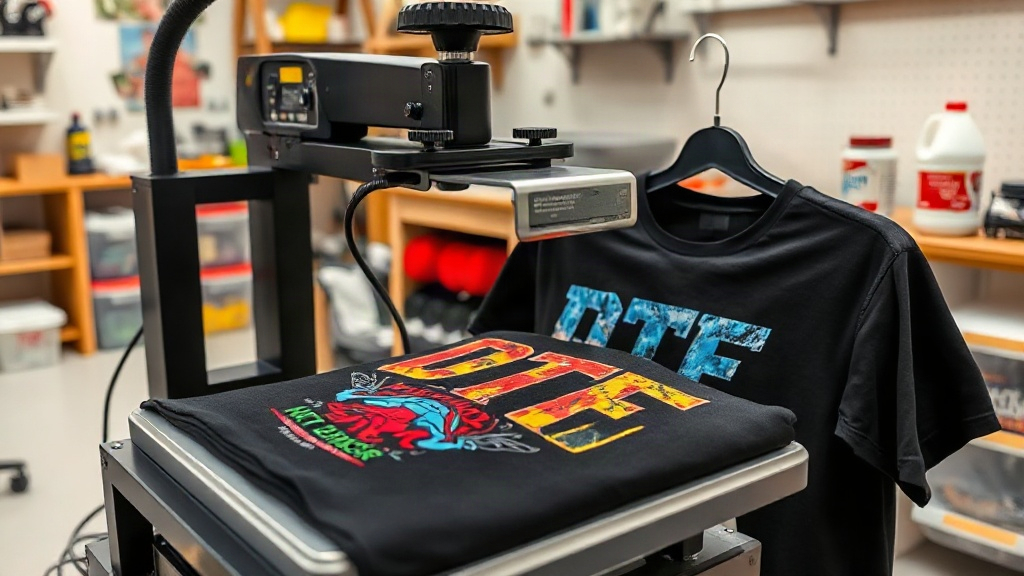
In the dynamic world of custom apparel, DTF transfers have emerged as a game-changing technology. Unlike traditional methods that limit your fabric choices or require minimum orders, DTF transfers offer unparalleled flexibility, vibrant colors, and exceptional durability. Whether you're a small business owner, a crafting enthusiast, or a large-scale producer, understanding DTF transfers can elevate your designs and streamline your production. This guide delves deep into the DTF transfer process, its advantages, and expert tips to help you achieve professional results every time.
What Are DTF Transfers?
DTF stands for Direct to Film. It's a printing method where your design is printed onto a special PET film using water-based inks, then coated with a thermoplastic powder (often called hot melt adhesive). Once the powder is cured, the transfer is ready to be applied to fabric using a heat press. The magic of DTF transfers lies in their ability to bond with a wide range of materials, including cotton, polyester, blends, and even leather, without the need for pre-treatment.
How DTF Transfers Work: Step by Step
Understanding the process helps you troubleshoot and optimize your results. Here's a breakdown of the DTF transfer workflow:
- Design Preparation: Create your artwork in a graphics program, ensuring it's mirrored (unless your printer software does it automatically).
- Printing: Use a DTF printer with white ink capability to print the design onto the PET film. The white ink acts as a base for vibrant colors on dark fabrics.
- Powder Application: While the ink is still wet, apply the hot melt powder evenly over the design. Shake off excess.
- Curing: Place the film in a curing oven or under a heat source to melt the powder. This creates a adhesive layer that will bond with the fabric.
- Transfer: Set your heat press to the recommended temperature (usually 300-325°F) and pressure. Press the transfer onto the fabric for 10-15 seconds.
- Peel: After pressing, peel the film off while it's hot or cold, depending on the film type. The design remains on the fabric.
Each step requires attention to detail, but the payoff is a soft, stretchable print that withstands repeated washing.
Why Choose DTF Transfers Over Other Methods?
DTF transfers have quickly gained popularity for several compelling reasons. Let's compare them to other common printing techniques.
Versatility Across Fabrics
Unlike vinyl cutting or screen printing, DTF transfers adhere to almost any fabric. You can print on 100% cotton, polyester, nylon, and even leather. This makes it ideal for diverse product lines, from t-shirts and hoodies to tote bags and caps.
No Color Limitations
With DTF, you can print full-color, photorealistic images with gradients and fine details. There's no need to separate colors or create screens. The white ink base ensures that colors pop on both light and dark garments.
Cost-Effective for Small Runs
Screen printing requires setup costs per color, making short runs expensive. DTF transfers eliminate setup fees, so you can produce one-off items or small batches economically. This is perfect for personalized gifts or on-demand orders.
Durability and Washability
When applied correctly, DTF transfers are incredibly durable. They resist cracking, peeling, and fading even after multiple washes. The prints remain soft to the touch and stretch with the fabric without distorting.
Applications of DTF Transfers
The versatility of DTF transfers opens up a world of possibilities. Here are some common applications:
- Custom T-shirts and Hoodies: Create vibrant designs for personal use, events, or resale.
- Sportswear and Activewear: The stretchability of DTF prints makes them ideal for performance fabrics.
- Corporate Uniforms: Add logos and names to workwear with professional quality.
- Promotional Items: Personalize bags, caps, and more for marketing campaigns.
- Home Decor: Decorate pillows, aprons, and other fabric items.
Best Practices for Flawless DTF Transfers
To achieve professional results, follow these best practices:
Choose the Right Film and Powder
Not all DTF films are created equal. Select a film that matches your printer and desired finish (matte or glossy). The powder should have a fine consistency for smooth adhesion. Store them in a cool, dry place to prevent moisture damage.
Master Your Heat Press Settings
Temperature, pressure, and time are critical. Too little heat or pressure results in poor adhesion; too much can cause scorching or ink bleeding. Always test with a scrap fabric before pressing your final product. Recommended settings: 300-325°F, medium pressure, 10-15 seconds.
Pre-Treat Your Fabric
While DTF doesn't require pre-treatment, ensuring your fabric is clean, dry, and free of wrinkles helps. For best results, pre-press the garment for a few seconds to remove moisture.
Proper Curing of the Powder
Insufficient curing leads to powder not melting completely, which can cause transfer failure. Use a curing oven or heat gun until the powder turns glossy and gel-like. Avoid over-curing, which can make the transfer stiff.
Peeling Technique
Some films require hot peel, others cold peel. Follow the manufacturer's instructions. Hot peel: remove film immediately after pressing. Cold peel: wait until it cools completely. Peeling too early or too late can affect the finish.
Common Mistakes to Avoid
Even experienced users can slip up. Here are pitfalls to watch for:
- Uneven Powder Application: Too much powder creates a rough texture; too little causes poor adhesion. Aim for a light, even coating.
- Incorrect Pressure: Insufficient pressure prevents the transfer from fully contacting the fabric. Use consistent, firm pressure.
- Ignoring Fabric Type: Some fabrics like treated nylon may require lower temperatures. Always test.
- Skipping the Test Press: Always do a test run to dial in your settings.
DTF Transfers vs. Other Printing Methods
How does DTF stack up against DTG, sublimation, and vinyl?
- DTF vs. DTG: DTG requires pre-treatment and works best on cotton. DTF works on more fabrics and often has brighter colors.
- DTF vs. Sublimation: Sublimation only works on polyester and light-colored fabrics. DTF works on any color and fabric.
- DTF vs. Vinyl: Vinyl is limited to single colors and simple designs. DTF allows full-color, complex images.
Frequently Asked Questions About DTF Transfers
How long do DTF transfers last?
With proper application and care, DTF transfers can last as long as the garment itself. They withstand 50+ washes without fading or cracking if washed inside out in cold water and tumble dried low.
Can I use DTF transfers on dark fabrics?
Absolutely. DTF transfers include a white ink base that makes colors vibrant on dark backgrounds. This is one of their biggest advantages over other methods.
Do I need a special printer for DTF transfers?
Yes, you need a DTF printer that uses DTF inks and has white ink channels. However, you can also purchase pre-printed DTF transfers from suppliers and apply them with a heat press.
What is the best temperature for pressing DTF transfers?
Typically, 300-325°F (150-160°C) with medium pressure for 10-15 seconds. Always check the film manufacturer's recommendations as they can vary.
Can I stretch DTF prints?
Yes, DTF transfers are flexible and stretch with the fabric without cracking, making them ideal for activewear and stretchy materials.
Conclusion
DTF transfers have revolutionized custom apparel printing by offering unmatched versatility, durability, and color vibrancy. Whether you're a hobbyist or a commercial printer, mastering DTF transfers can expand your creative and business opportunities. By following the best practices outlined in this guide, you'll be well on your way to producing high-quality, long-lasting prints that impress. Embrace the DTF revolution and watch your designs come to life on any fabric.