
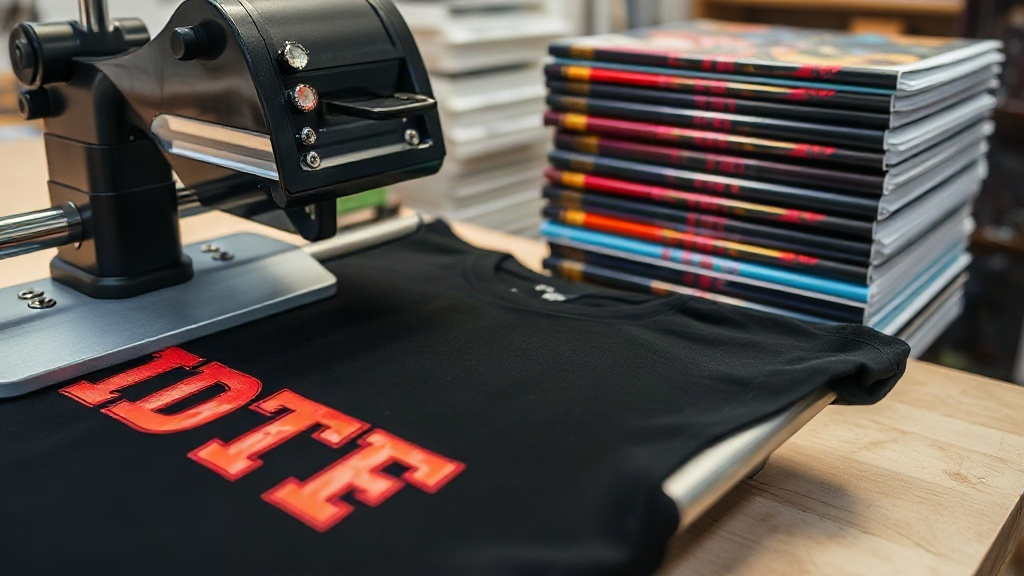
When you want custom apparel that stands out, DTF transfers offer a vibrant, durable solution. Unlike traditional methods, DTF (Direct to Film) printing lets you create full-color designs on various fabrics with incredible detail. Whether you're a small business owner, a hobbyist, or just someone who loves personalized gear, understanding DTF transfers can open up a world of creative possibilities.
What Are DTF Transfers?
DTF transfers are printed designs on a special film that can be heat-pressed onto fabrics. The process involves printing your artwork onto a PET film using specialized inks, then applying a powder adhesive, and finally transferring it to the garment with a heat press. This method is gaining popularity because it works on almost any fabric, including cotton, polyester, and blends, without the need for pre-treatment.
How DTF Transfers Differ from Other Printing Methods
Compared to screen printing or vinyl, DTF transfers don't require multiple screens or cutting. You can print complex, multi-color designs in one go. Also, unlike DTG (Direct to Garment), DTF doesn't need pre-treatment, and it produces brighter colors on dark fabrics. The durability is impressive, with proper care, the prints can last as long as the garment itself.
Why Choose DTF Transfers for Your Custom Apparel?
There are several reasons why DTF transfers are becoming a go-to for custom apparel:
- Versatility: Works on a wide range of fabrics and colors.
- Detail: Captures fine lines, gradients, and photographic images with ease.
- Durability: Resists cracking, peeling, and fading.
- Cost-effective: No minimum order, ideal for small batches.
- Speed: Quick production and application.
Step-by-Step Guide to Applying DTF Transfers
Applying DTF transfers is straightforward, but following the right steps ensures a professional finish. Here's how to do it:
- Prepare your heat press: Set the temperature to 325°F (160°C) and preheat the garment for a few seconds to remove moisture.
- Position the transfer: Place the DTF transfer on the garment with the printed side facing up.
- Press: Apply medium pressure for 15-20 seconds.
- Peel: Wait a few seconds for it to cool, then peel off the film slowly. For a matte finish, peel while hot; for glossy, wait until cold.
- Post-press: Cover with a Teflon sheet and press again for 5-10 seconds to ensure proper adhesion.
Tips for Perfect DTF Transfers
To get the best results, keep these tips in mind:
- Always test on a scrap fabric first to dial in your press settings.
- Use a lint roller to remove any fibers from the garment before pressing.
- Ensure the transfer is completely flat; any wrinkles can cause uneven application.
- For stretchy fabrics, consider using a stretchable DTF film.
- Wash the garment inside out in cold water and avoid fabric softeners to prolong the life of the print.
Designing for DTF Transfers
When creating artwork for DTF transfers, keep these design considerations in mind:
- Resolution: Use high-resolution images (300 DPI) for crisp prints.
- Color mode: Design in CMYK for accurate color reproduction.
- Background: Remove any background; DTF transfers don't print white ink unless specified, so transparent backgrounds are best.
- Size: Ensure your design fits within the transfer film's dimensions.
Common Applications of DTF Transfers
DTF transfers are used for a variety of items, including:
- T-shirts, hoodies, and sweatshirts
- Tote bags and backpacks
- Uniforms for sports teams and businesses
- Promotional merchandise
- Personalized gifts
Frequently Asked Questions About DTF Transfers
Can DTF transfers be applied to cotton?
Yes, DTF transfers work exceptionally well on cotton. The adhesive powder bonds firmly to cotton fibers, resulting in a durable print that withstands repeated washing.
How long do DTF transfers last?
With proper care, DTF transfers can last for years. They are resistant to cracking and fading, often outlasting the garment itself. Follow washing instructions to maximize longevity.
Do I need a special printer for DTF transfers?
Yes, DTF printing requires a dedicated DTF printer that uses pigment inks and a film transfer process. However, if you're not ready to invest, you can order pre-printed DTF transfers from service providers.
What is the difference between DTF and DTG?
DTF (Direct to Film) involves printing on a film and then transferring to the garment, while DTG (Direct to Garment) prints directly onto the fabric. DTF works on more fabric types and often produces more vibrant colors on dark materials.
Can I stretch DTF transfers?
DTF transfers have some stretchability, but for highly stretchy fabrics like spandex, it's best to use a specialized stretch DTF film to prevent cracking. Always test the stretch before full production.
With their versatility and durability, DTF transfers are a fantastic choice for anyone looking to create custom apparel. Whether you're printing a single shirt or a large order, DTF technology delivers professional results that impress.