
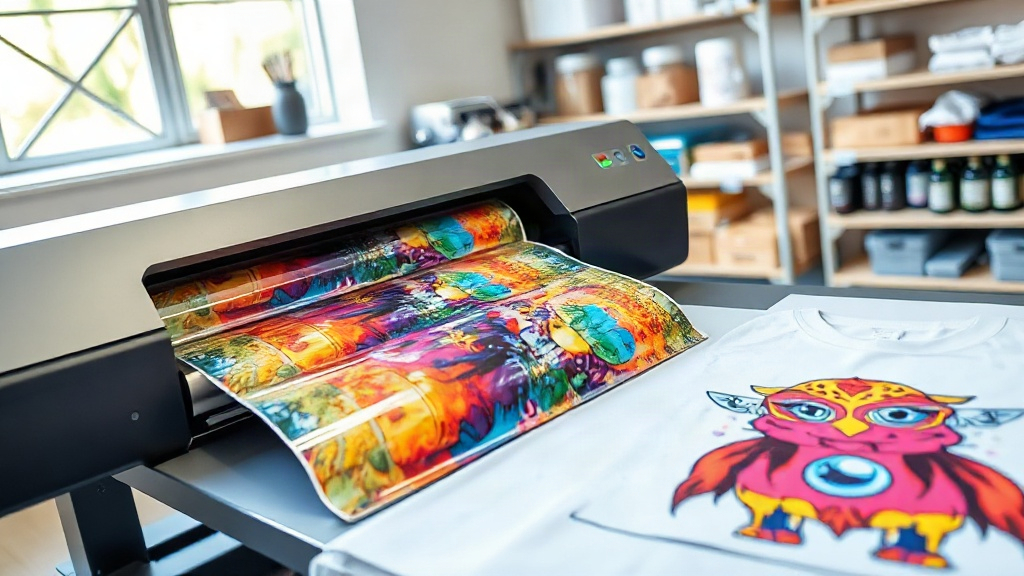
In the rapidly evolving world of custom apparel, DTF printing has emerged as a revolutionary technology that bridges the gap between digital printing and traditional screen printing. Whether you're a small business owner looking to offer unique designs or a hobbyist wanting to create personalized gifts, understanding DTF printing can open up a world of possibilities. This guide will walk you through the ins and outs of DTF printing, from its core principles to practical tips for getting started.
What is DTF Printing?
DTF stands for Direct to Film. It's a printing method where your design is printed onto a special film, coated with a powder adhesive, and then heat-pressed onto fabric. Unlike DTG (Direct to Garment) printing, which prints directly onto the fabric, DTF uses a transfer film as an intermediary. This allows for vibrant, detailed prints on a wide range of materials, including cotton, polyester, and blends.
The process involves several key steps: designing, printing, powdering, curing, and pressing. Each step is crucial for achieving a durable, high-quality transfer. The beauty of DTF lies in its versatility and the fact that it doesn't require pre-treatment of the fabric, making it more accessible for small-scale operations.
How Does DTF Printing Work? Step by Step
Let's break down the DTF printing process into actionable steps so you can understand what it takes to produce a finished product.
1. Design Preparation
Start with a high-resolution image. DTF printers can handle intricate details and gradients, so feel free to include complex artwork. The design is printed in reverse (mirrored) onto the film. Most DTF printers come with RIP software that automatically mirrors the image and manages color profiles.
2. Printing onto Film
The printer uses specialized DTF inks (usually CMYK plus white) to print the design onto a PET film. The white ink acts as a base, allowing the colors to pop on dark fabrics. After printing, the film is dusted with a hot-melt adhesive powder. This powder ensures the transfer bonds to the fabric during heat pressing.
3. Curing the Powder
The powdered film is then heated to melt the adhesive. This can be done with a heat gun or a dedicated curing oven. Proper curing is essential; under-cured powder leads to poor adhesion, while over-curing can cause the film to warp. The film should look glossy but not burnt.
4. Heat Pressing
Once cured, the transfer is placed onto the garment and pressed with a heat press. Typical settings are 320°F (160°C) for 15 seconds with medium pressure. After pressing, you peel off the film while it's still hot (or cold, depending on the film type). The result is a soft, stretchable print that adheres firmly to the fabric.
Advantages of DTF Printing
Why choose DTF over other printing methods? Here are some compelling reasons:
- Versatility: Works on almost any fabric, including cotton, polyester, nylon, and even leather.
- No pre-treatment: Unlike DTG, you don't need to pre-treat shirts, saving time and money.
- Durability: Prints are stretchable and resistant to cracking, peeling, and fading.
- Cost-effective for small batches: No setup costs like screen printing, making it ideal for one-offs and small orders.
- Vibrant colors: The white ink base allows for bright, opaque prints on dark garments.
DTF vs. Other Printing Methods
How does DTF stack up against DTG, screen printing, and vinyl? Let's compare.
DTF vs. DTG
DTG prints directly onto the garment, which is great for 100% cotton but less effective on synthetics. DTF transfers can be used on a wider range of fabrics and often produce more vibrant colors on dark shirts. However, DTG has a softer hand feel on light garments. DTF requires an additional transfer step, but many find it more forgiving and versatile.
DTF vs. Screen Printing
Screen printing is cost-effective for large orders but requires setup for each color. DTF is better for detailed, multi-color designs and small batches. Screen printing often yields a thicker ink layer, while DTF provides a softer, more flexible print.
DTF vs. Vinyl
Heat transfer vinyl (HTV) is great for simple, single-color designs but limited for complex images. DTF can reproduce full-color photographs and gradients with ease. Vinyl can be more durable for simple shapes, but DTF offers superior design freedom.
Getting Started with DTF Printing
If you're convinced to try DTF, here's what you need to know to start.
Equipment and Supplies
You'll need a DTF printer (modified inkjet or dedicated DTF printer), DTF ink, PET film, hot-melt powder, a heat press, and a curing oven or heat gun. Start with a reliable printer; many beginners opt for converted Epson printers. Ensure your workspace is well-ventilated, as the powder can be messy.
Software and Design
Use graphic design software like Adobe Photoshop or Illustrator to create your artwork. DTF printing requires mirrored images, so double-check before printing. RIP software is essential for color management and mirroring; some printers come with proprietary software.
Tips for Success
- Test your settings: Every printer and film combo behaves differently. Experiment with temperature, pressure, and time.
- Keep it clean: Dust and lint can ruin transfers. Work in a clean environment.
- Store film properly: Keep unused film sealed to prevent moisture absorption.
- Practice peeling: Hot peel vs. cold peel depends on the film. Follow the manufacturer's recommendations.
Common Challenges and Solutions
Like any technology, DTF has its quirks. Here are some common issues and how to fix them.
Poor Adhesion
If the transfer peels off, it could be due to under-curing, insufficient pressure, or the wrong powder. Increase curing time or pressure, and ensure you're using quality powder.
Clogged Printheads
DTF inks contain white pigment, which can settle and clog printheads. Regular maintenance, including daily nozzle checks and cleaning cycles, is crucial. Store the printer with ink in the lines to prevent drying.
Color Issues
Colors may appear dull if the white ink layer is too thin or if the powder isn't fully cured. Adjust your color profiles and ensure proper white ink density.
Frequently Asked Questions
What fabrics can I use with DTF printing?
DTF transfers work on a wide range of fabrics, including cotton, polyester, blends, nylon, and even leather. It's particularly effective on dark colors because of the white ink base.
How durable is DTF printing?
When properly applied, DTF prints are highly durable. They can withstand repeated washing (inside out, cold water) and stretching without cracking or fading. Following care instructions is key.
Do I need a special printer for DTF?
You can convert a standard inkjet printer (like Epson) to use DTF inks, but dedicated DTF printers are available and offer better reliability. They come with modified printheads and ink systems designed for DTF.
Is DTF printing cost-effective for small businesses?
Yes, DTF is very cost-effective for small batches and one-off designs. There's no setup cost like screen printing, and you can print on demand, reducing inventory waste.
Can I use DTF on 100% polyester?
Absolutely. DTF works well on polyester, but you may need to adjust heat press settings (lower temperature) to avoid scorching. Always test first.
Conclusion
DTF printing is a versatile, durable, and cost-effective method for custom apparel. Whether you're a business owner or a DIY enthusiast, mastering DTF can set you apart in the competitive custom printing market. With the right equipment, supplies, and a bit of practice, you'll be creating stunning, long-lasting prints in no time. So why not give DTF a try and see how it can elevate your projects?