
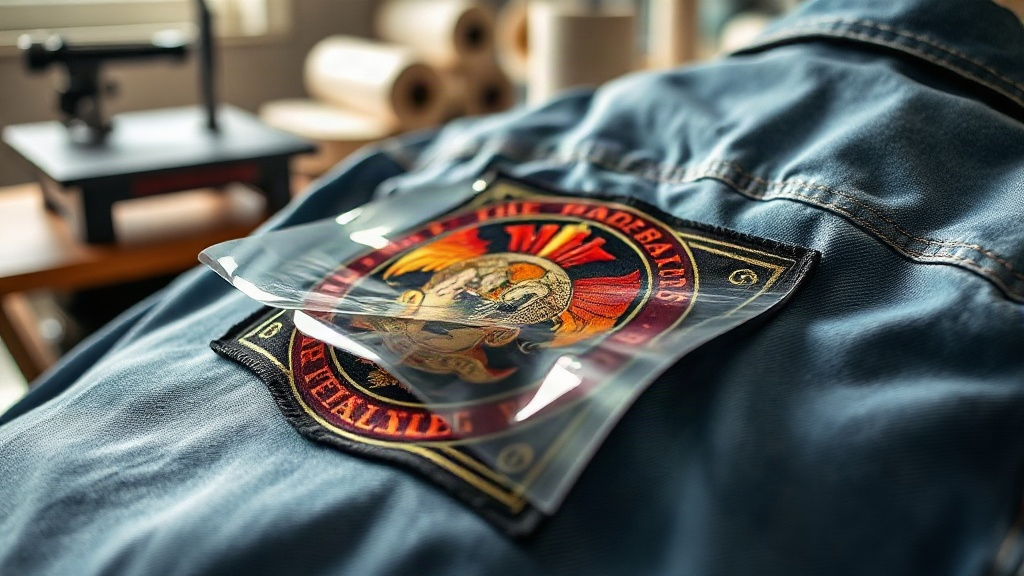
When you order custom patches, you want them to look sharp, feel durable, and truly represent your brand. If you've been exploring print methods, you've likely encountered DTF printing. DTF, or Direct to Film, has become a popular choice for on-demand production because it delivers vibrant colors and fine detail without the setup costs of traditional screen printing. But how does it actually work for patches, and is it the right fit for your project? This guide walks you through the essentials so you can make an informed decision.
What Is DTF Printing and Why Does It Matter for Patches?
DTF printing is a digital process where your design is printed onto a special film, coated with a heat-activated adhesive powder, and then transferred onto fabric using a heat press. For patches, this means you can create intricate, multi-colored designs without the color limitations or minimum order quantities of embroidery or woven patches. Whether you need a single prototype or a thousand units, DTF on demand scales with you.
How DTF Compares to Other Patch Types
Embroidered patches have a classic, textured look, but they struggle with gradients and tiny text. Woven patches offer finer detail but can be costly for small runs. DTF patches, on the other hand, excel at photographic images, smooth gradients, and complex artwork. They're also lighter and more flexible, making them comfortable on hats, jackets, and backpacks. If your design includes lots of colors or fine lines, DTF is often the clear winner.
The On-Demand Advantage: No Minimums, Fast Turnaround
Traditional patch manufacturing often requires you to commit to hundreds of pieces upfront. That's a tough ask if you're testing a new design or running a small event. DTF printing on demand flips that model. You can order exactly what you need, when you need it. This flexibility is perfect for small businesses, Etsy sellers, sports teams, and anyone who wants to avoid dead stock.
From Order to Doorstep: The DTF Workflow
Here's what happens when you place a DTF patch order:
- Design submission: You send your artwork in a high-resolution format (PNG with transparent background works best).
- Printing: Your design is printed onto a PET film using specialized DTF inks.
- Powdering: A thermoplastic powder is applied to the wet ink, then cured.
- Transfer: The film is placed on your chosen patch fabric and heat-pressed.
- Finishing: The patch is cut to shape, edges are sealed, and it's ready to ship.
Because there's no screen setup, the turnaround is fast, often just a few days.
Choosing the Right Fabric and Adhesive for DTF Patches
Not all fabrics play nicely with DTF transfers. Cotton, polyester, and blends work well, but heavily textured materials like canvas or mesh can cause the transfer to lift or crack. For patches, a tight-weave fabric like twill or felt provides the best surface. Also consider the adhesive: you can get iron-on backing for easy application at home, or sew-on backing for heavy-duty use. Some suppliers offer peel-and-stick options, but these are best for temporary wear.
Durability: What to Expect from DTF Patches
When applied correctly, DTF patches are surprisingly durable. They withstand repeated washing (inside out, cold water, no bleach) and won't fade easily. However, they're not indestructible. Excessive heat or friction can cause cracking over time. To extend life, avoid ironing directly on the print and air-dry when possible.
Design Tips for Stunning DTF Patches
To get the most out of DTF printing, keep these design principles in mind:
- Use high-contrast colors: DTF inks are opaque, but light colors on dark fabric may need a white underbase. Your printer should handle this automatically.
- Keep text legible: Very thin fonts (under 6pt) may fill in. Opt for bold or sans-serif fonts for small text.
- Leave a margin: Avoid placing critical details too close to the edge, as cutting and sealing can trim a millimeter or two.
- Test gradients: DTF excels at smooth transitions, so don't shy away from photographic elements.
If you're unsure, ask your supplier for a digital proof or a physical sample before committing to a large order.
Common Mistakes to Avoid with DTF Patches
Even with a great process, things can go wrong. Here are pitfalls I've seen (and learned from):
- Insufficient pressure: If the heat press doesn't apply even pressure, the transfer won't adhere fully, leading to peeling.
- Wrong temperature: Too hot and the film shrivels; too cool and the adhesive doesn't activate. Always follow your film's recommended settings.
- Rushing the peel: Some films require a hot peel, others a cold peel. Peeling at the wrong temperature can distort the design.
- Ignoring fabric prep: Dust, lint, or fabric softener can prevent a strong bond. Pre-press the garment or patch to remove moisture.
Taking a few extra minutes to prep can save you from wasted materials and frustration.
Is DTF Printing on Demand Right for Your Patch Project?
If you need vibrant, detailed patches in small batches without breaking the bank, DTF is an excellent choice. It's ideal for fashion brands, promotional items, and personal projects. However, if you're after a classic embroidered look or need maximum abrasion resistance, you might prefer traditional methods. Weigh your priorities: detail, cost, speed, and durability. For many, DTF hits the sweet spot.
Frequently Asked Questions About DTF Patches
Can I wash DTF patches?
Yes, but turn the garment inside out and use cold water on a gentle cycle. Avoid bleach and fabric softener. Tumble dry low or air dry.
How long do DTF patches last?
With proper care, they can last for years. Expect 50+ washes without significant fading or cracking.
Do DTF patches work on nylon or waterproof jackets?
They can, but nylon's low surface energy makes adhesion tricky. You may need a special adhesive or a higher heat setting. Always test first.
What file format should I use for DTF printing?
Send a high-resolution PNG (300 DPI) with a transparent background. Vector files (AI, EPS) also work if rasterized properly.
Can I get DTF patches with a sew-on backing?
Absolutely. Many suppliers offer sew-on options for applications where iron-on isn't suitable, like leather or heavy canvas.