
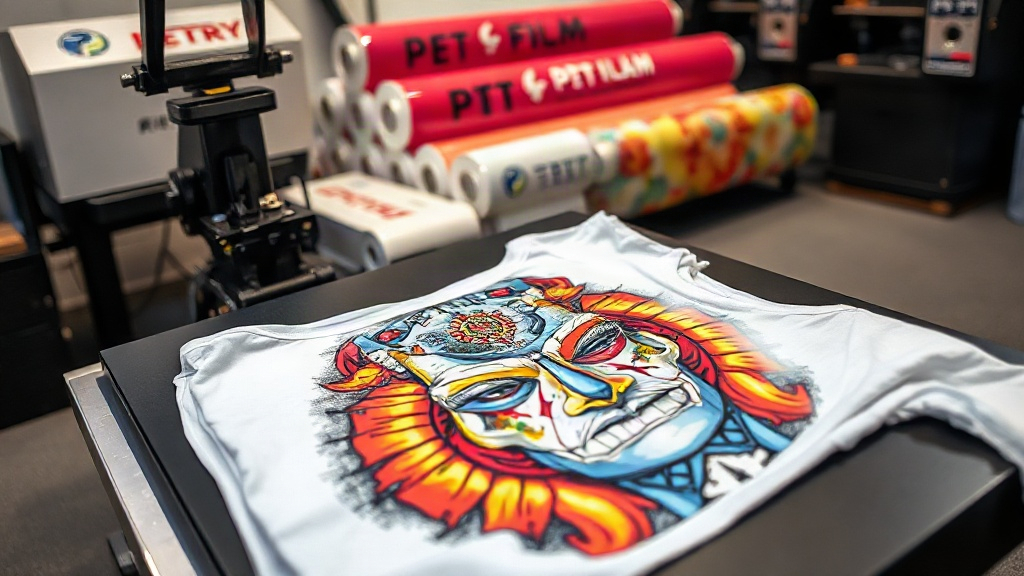
If you've been exploring custom apparel printing, you've likely encountered the term DTF printing. This technology has rapidly gained popularity among print-on-demand sellers, crafters, and small business owners for its versatility and vibrant results. Unlike traditional methods, DTF printing allows you to transfer full-color designs onto a wide range of fabrics with impressive detail. In this guide, we'll dive deep into DTF printing: what it is, how it works, and why it might be the perfect solution for your next project.
What is DTF Printing?
DTF stands for Direct to Film. It's a printing method where your design is printed onto a special film, coated with a powder adhesive, and then heat-pressed onto the fabric. This process differs from DTG (Direct to Garment) or screen printing because it doesn't require pre-treatment or specialized equipment beyond a printer and a heat press. The result is a durable, stretchable print that adheres well to cotton, polyester, blends, and even some synthetic materials.
The DTF Printing Process Step by Step
- Design Preparation: Create your artwork in a graphics program, ensuring it's mirrored (unless your printer software does it automatically).
- Printing: Using a DTF printer, the design is printed onto a PET film with special inks. White ink is often used as a base to make colors pop on dark fabrics.
- Powder Application: While the ink is still wet, a hot-melt adhesive powder is applied evenly over the film. Excess powder is shaken off.
- Curing: The film is heated to melt the powder, usually in a curing oven or with a heat press, creating a smooth, dry surface.
- Transfer: The film is placed on the fabric and heat-pressed at a specific temperature and time. Once cooled, the film is peeled away, leaving the design bonded to the fabric.
Why Choose DTF Printing for Your Custom Apparel?
There are several compelling reasons why DTF printing has become a go-to method for many in the custom apparel industry.
1. Exceptional Versatility
DTF printing works on almost any fabric, including cotton, polyester, nylon, and blends. This is a significant advantage over DTG, which works best on 100% cotton, or vinyl printing, which can be limited to certain materials. Whether you're printing on t-shirts, hoodies, tote bags, or even leather patches, DTF delivers consistent results.
2. Vibrant and Durable Prints
The use of white ink as a base allows for bright, opaque colors even on dark garments. The prints are also highly durable; they withstand repeated washing without fading, cracking, or peeling when applied correctly. This makes DTF ideal for items that will see frequent use, like workwear or sports jerseys.
3. Cost-Effective for Small Batches
Unlike screen printing, which requires separate screens for each color and can be expensive for short runs, DTF printing is cost-effective for small to medium batches. There's no minimum order quantity, making it perfect for print-on-demand businesses that produce items on demand.
4. No Weeding or Cutting Required
With vinyl printing, you need to weed out the excess material, which can be time-consuming and tedious. DTF printing eliminates this step entirely. The design is printed and transferred as a whole, saving you hours of labor.
DTF Printing vs. Other Printing Methods
To help you decide if DTF is right for you, let's compare it to other common printing techniques.
DTF vs. DTG
DTG (Direct to Garment) printing is great for 100% cotton and produces soft prints, but it requires pre-treatment and can be less vibrant on dark colors. DTF printing, on the other hand, works on more fabrics and delivers brighter colors, though the print may feel slightly thicker.
DTF vs. Screen Printing
Screen printing is the gold standard for large orders of simple designs. It's cost-effective at high volumes but requires setup and is not practical for small batches or complex, multi-color designs. DTF printing shines for detailed, full-color designs and small runs.
DTF vs. Vinyl
Heat transfer vinyl (HTV) is popular for one-off projects and simple designs. However, it involves weeding and layering for multiple colors, which is time-consuming. DTF printing handles complex designs in one go and is more durable.
Applications of DTF Printing
The versatility of DTF printing opens up a world of possibilities. Here are some common applications:
- Custom T-shirts and Hoodies: Perfect for personalizing apparel with photos, logos, or intricate graphics.
- Sportswear and Team Uniforms: Durable and stretchable, DTF prints move with the fabric, making them ideal for activewear.
- Corporate Merchandise: Promote your brand with custom bags, hats, and jackets.
- Patches: DTF printing can be used to create detailed patches without the need for embroidery, offering a modern alternative.
- Home Decor: Personalize pillows, curtains, and quilts with vibrant designs.
Getting Started with DTF Printing
If you're ready to dive into DTF printing, here's what you'll need:
- DTF Printer: A dedicated printer that uses DTF inks. Epson conversions are popular, but there are also purpose-built models.
- DTF Inks: Cyan, magenta, yellow, black, and white. White ink is crucial for opacity on dark fabrics.
- PET Film: Special film that holds the printed design and releases it during transfer.
- Adhesive Powder: Hot-melt powder that bonds the design to the fabric.
- Heat Press: For both curing the powder and transferring the design.
- Design Software: Such as Photoshop, Illustrator, or free alternatives like GIMP or Inkscape.
Start with a quality printer and supplies to avoid common issues like clogged nozzles or poor adhesion. Practice on scrap fabric to dial in your heat press settings (typically around 160°C for 10-15 seconds for transfer, and 160°C for 2-3 minutes for curing).
Tips for Perfect DTF Transfers
- Mirror Your Design: Always print mirrored so it reads correctly after transfer.
- Control Moisture: Keep your film and powder dry; moisture can ruin the transfer.
- Even Powder Application: Too much powder can make the print stiff; too little can cause poor adhesion.
- Pre-Press Fabric: Remove wrinkles and moisture from the garment before transferring.
- Cool Peel: Let the transfer cool completely before peeling the film for a matte finish. For a glossy finish, peel while hot.
Frequently Asked Questions About DTF Printing
How long do DTF prints last?
When applied correctly, DTF prints can last as long as the garment itself. They withstand dozens of washes without significant fading or cracking. To extend longevity, wash inside out in cold water and avoid harsh detergents.
Can I use DTF on dark fabrics?
Absolutely! DTF printing excels on dark fabrics because the white ink base provides a bright, opaque background for the colors. This is a major advantage over DTG, which may require multiple passes on dark colors.
Do I need special software for DTF printing?
No, you can use any graphic design software that can output a mirrored image. However, some RIP software is designed specifically for DTF printers to manage color profiles and white ink layering.
What fabrics work best with DTF?
DTF works on a wide range of fabrics, including cotton, polyester, cotton-poly blends, nylon, and even leather. It's not recommended for fabrics with a heavy texture like corduroy or those with a waterproof coating.
Is DTF printing profitable for small businesses?
Yes, DTF printing has a low cost per print for small batches, making it highly profitable for print-on-demand and small business owners. With minimal setup and no minimum order, you can offer custom apparel without large upfront investments.
DTF printing is revolutionizing the custom apparel industry with its versatility, durability, and ease of use. Whether you're a hobbyist or a growing business, incorporating DTF into your offerings can set you apart. At patchesprime.com, we specialize in high-quality custom patches and apparel using advanced DTF technology. Explore our services and see how we can bring your designs to life.