
When it comes to custom apparel, the method you choose for applying designs can make or break the final product. DTF transfers have emerged as a game-changer, offering vibrant colors, exceptional durability, and versatility across fabrics. Whether you're a small business owner looking to create branded merchandise or a DIY enthusiast wanting to personalize gifts, understanding DTF transfers can open up a world of possibilities. In this guide, we'll dive deep into what DTF transfers are, how they work, and why they might be the perfect solution for your next project.
What Are DTF Transfers?
DTF stands for Direct-to-Film. It's a printing technology where your design is printed onto a special film, coated with a powder adhesive, and then heat-pressed onto the fabric. Unlike DTG (Direct-to-Garment) printing, which prints directly onto the garment, DTF transfers allow you to print the design first and then apply it to a wide range of materials. This two-step process gives you more control and flexibility, especially when working with different fabric types.
How DTF Transfers Work: Step by Step
Understanding the process helps you appreciate the magic behind DTF transfers. Here's a breakdown of the key steps:
- Design Preparation: Your artwork is prepared digitally, ensuring it's mirrored and sized appropriately. The design is then printed onto a PET film using specialized DTF inks.
- Powder Application: While the ink is still wet, a thermoplastic powder is applied evenly over the printed design. This powder acts as the adhesive that will bond the design to the fabric.
- Curing: The film goes through a curing process, usually with a heat press or oven, to melt the powder and set the ink. This step is crucial for durability.
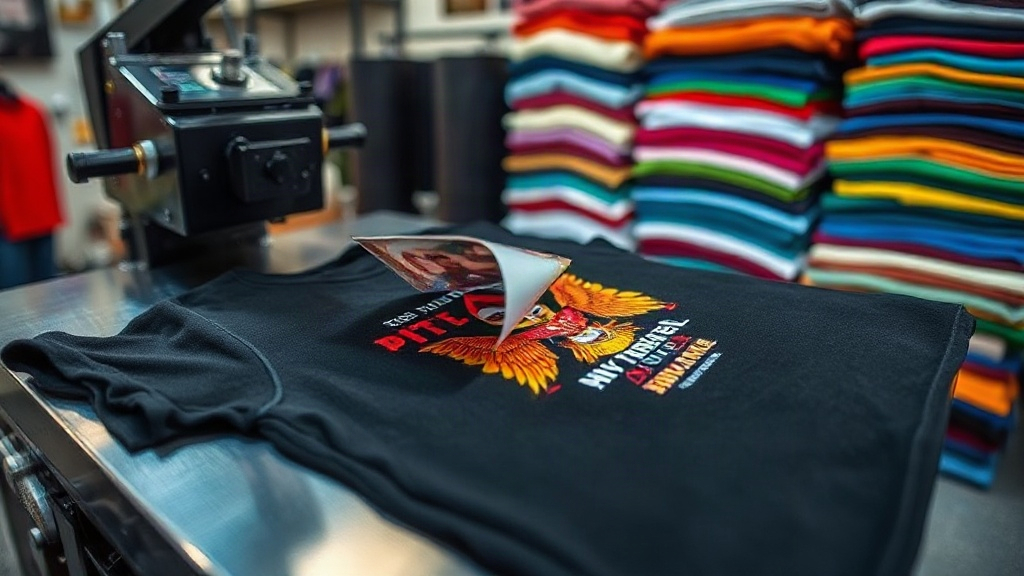
- Transfer: Once cured, the transfer is placed onto the garment and heat-pressed. The adhesive melts, bonding the design to the fabric. After cooling, the film is peeled away, leaving a vibrant, flexible print.
Why Choose DTF Transfers?
There are several reasons why DTF transfers have become a favorite among apparel decorators. Let's explore the main advantages.
Versatility Across Fabrics
One of the biggest selling points of DTF transfers is their ability to adhere to a wide range of materials. Unlike some methods that work best on 100% cotton, DTF transfers can be applied to cotton, polyester, blends, and even treated leather. This makes them ideal for printing on various garments, from t-shirts and hoodies to tote bags and caps.
Vibrant and Durable Prints
DTF transfers produce incredibly bright and detailed prints. The inks are designed to be opaque, so they show up well on both light and dark fabrics. Plus, the prints are stretchable and crack-resistant, meaning they can withstand repeated washing and wearing without fading or peeling. This durability ensures your custom apparel looks great for a long time.
Cost-Effective for Small Batches
For small businesses or individuals who need short runs, DTF transfers are cost-effective. You don't need to invest in expensive equipment like a DTG printer or screen printing setup. You can order transfers from a supplier and apply them with a heat press. This lowers the barrier to entry for creating professional-looking custom apparel.
No Weeding or Cutting Required
Unlike vinyl cutting, DTF transfers come ready to press. There's no tedious weeding or cutting process. This saves time and reduces waste, making it a more efficient option for producing multiple items.
DTF Transfers vs. Other Printing Methods
To help you decide if DTF transfers are right for you, let's compare them to other popular methods.
DTF vs. DTG
DTG printing is great for 100% cotton garments and produces soft prints. However, it requires pre-treatment and can be slow for multiple items. DTF transfers, on the other hand, work on more fabrics and can be produced in bulk ahead of time, making them more efficient for larger orders.
DTF vs. Screen Printing
Screen printing is the go-to for large orders with simple designs. It's cost-effective at high volumes but requires setup for each color. DTF transfers are better for detailed, multi-color designs and small to medium runs, as there's no setup cost per color.
DTF vs. Vinyl
Heat transfer vinyl (HTV) is popular for one-color designs and personalization. But it can be time-consuming to weed and layer. DTF transfers handle complex designs effortlessly and offer a softer feel than layered vinyl.
Tips for Successful DTF Transfers
To get the best results with DTF transfers, keep these tips in mind:
- Use a quality heat press: Consistent temperature and pressure are key. A good heat press ensures even adhesion.
- Follow the instructions: Each transfer supplier may have specific temperature, time, and pressure recommendations. Always follow them.
- Pre-press the garment: This removes moisture and wrinkles, creating a smooth surface for the transfer.
- Peel correctly: Most DTF transfers are cold peel, meaning you wait for the transfer to cool before peeling the film. This prevents the design from stretching or smearing.
- Post-press for durability: After peeling, a quick second press (with a cover sheet) can improve washability.
Applications of DTF Transfers
DTF transfers are used in a variety of settings:
- Custom T-shirts and Hoodies: Perfect for personalizing apparel for events, teams, or businesses.
- Corporate Merchandise: Create branded uniforms and promotional items with detailed logos.
- Sports Teams: Add names and numbers to jerseys with vibrant, durable prints.
- Personal Gifts: Make custom onesies, pillows, and tote bags for friends and family.
- Small Business Branding: Offer custom apparel as part of your product line without heavy equipment investment.
Frequently Asked Questions About DTF Transfers
How long do DTF transfers last?
With proper application and care, DTF transfers can last as long as the garment itself. They are resistant to cracking, peeling, and fading. Washing inside out in cold water and avoiding high heat in the dryer will prolong their life.
Can I apply DTF transfers to any fabric?
DTF transfers work best on cotton, polyester, and blends. They can also be applied to treated leather and some synthetic fabrics. However, fabrics with a heavy texture or coating may not yield optimal results.
Do I need special equipment for DTF transfers?
You'll need a heat press to apply the transfers. For creating your own transfers, you'll need a DTF printer, powder, and curing oven, but many people buy pre-made transfers from suppliers and apply them with just a heat press.
Are DTF transfers safe for children's clothing?
Yes, DTF transfers are safe for children's clothing as long as the inks and powders used are non-toxic and comply with safety regulations. Always check with your supplier for certifications.
How do I store DTF transfers?
Store unused DTF transfers in a cool, dry place, away from direct sunlight. Keep them flat to prevent creasing. Properly stored transfers can last for several months.
Conclusion
DTF transfers offer a versatile, durable, and cost-effective solution for custom apparel. Whether you're a business looking to expand your product offerings or an individual wanting to create personalized items, DTF transfers provide the quality and flexibility you need. By understanding the process and following best practices, you can achieve professional results that impress. So why not give DTF transfers a try for your next project? Your customers and friends will love the vibrant, long-lasting prints.