
You have a press humming, a stack of films ready, and a customer expecting a run of shirts that fit exactly as promised. But if you have ever pulled a finished job from the dryer only to find the chest print sitting an inch higher than planned, you know that blank selection is only half the battle. The other half is understanding how a specific brand behaves on press, in the dryer, and on the customer's back. Shaka Wear has become a go-to for printers who want a substantial, retail-ready feel without the premium price tag, but getting consistent results means knowing its sizing quirks and fit characteristics inside out. This guide breaks down what to expect from Shaka Wear tees, from shoulder width to shrinkage, so you can quote jobs confidently and deliver garments that keep clients coming back.
Why Shaka Wear Deserves a Spot on Your Shelf
Before diving into numbers, it helps to understand what makes Shaka Wear different from the sea of blanks available. The brand built its reputation on heavyweight cotton tees that feel broken-in from the first wear yet hold their shape through repeated wash cycles. For screen printers, that translates to a stable print surface and fewer complaints about necklines that stretch out or hems that twist. Many shops that once defaulted to smart blanks for budget jobs now keep Shaka Wear on hand for clients who want a step up in hand feel without jumping to designer pricing. The fabric weight, typically in the 5.5 to 6.5 oz range depending on the style, gives plastisol and water-based inks a smooth foundation, and the tight knit reduces fibrillation on detailed halftones.
Sizing Nuances That Affect Your Print Placement
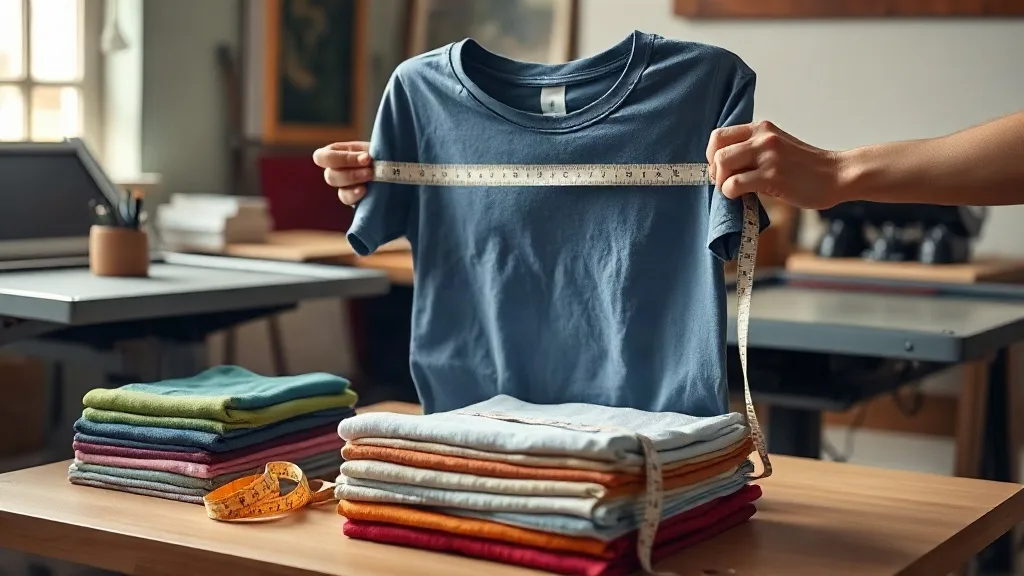
Shaka Wear tees generally run true to size, but "true to size" means different things across the industry. Compared to a standard wholesale tee, Shaka Wear tends to have a slightly roomier body and a more relaxed shoulder. That extra fabric matters when you are placing a left-chest logo or a full-front print. If you normally center a 10-inch wide print on a medium tee, you may find that the same placement looks a touch narrow on a Shaka Wear medium because the shirt itself is wider. The fix is simple: measure the actual garment width at the chest, not just the labeled size, and adjust your screen position accordingly. For a standard medium, expect a chest width around 20 to 21 inches laid flat, with a body length of roughly 28 to 29 inches. Large sizes step up by about two inches in width, and the length increases by one inch per size.
Shoulder and Sleeve Fit
The shoulders on Shaka Wear tees are cut a bit wider than many competitors, which gives that modern, relaxed look customers associate with premium blanks. When printing sleeve hits or shoulder-to-shoulder designs, account for this extra width. A print that wraps from the front chest over the shoulder may need to be repositioned slightly outward to sit correctly when worn. Similarly, the sleeve length runs a touch longer, so cuff prints or sleeve stripes should be measured on the actual garment rather than assumed from a size chart.
Neckline and Collar Stability
One of the quiet strengths of Shaka Wear is its ribbed collar, which resists stretching better than many budget blanks. That stability is great for print quality, but it also means the neck opening may feel snugger initially. If your customers prefer a looser neckline, consider sizing up or choosing a style with a relaxed crew. For printers, the stable collar is a blessing during screen printing because it holds its shape under the screen and reduces the chance of ink bleeding onto the collar edge.
Shrinkage: What to Expect and How to Plan
Cotton shrinks. That is not news, but the degree matters when you are printing jobs that must fit after washing. Shaka Wear tees are made from 100% cotton (unless you choose a blend), and like most cotton blanks, they will shrink after the first wash. In our testing, a medium tee washed in cold water and tumble dried on low lost about 3 to 5 percent in length and 2 to 3 percent in width. Hot water and high heat can push shrinkage higher. For screen printers, this means two things: first, always print on garments that have been pre-shrunk if your customer demands exact fit; second, if you are printing on unwashed blanks, add a small allowance to your print placement so that after shrinkage the design still sits where it should. A common practice is to raise the print by a quarter inch on the platen to compensate for length shrinkage.
Comparing Shaka Wear to Smart Blanks for Fit and Feel
Many shops stock both smart blanks and Shaka Wear because they serve different ends of the market. Smart Blanks tend to have a more standard, straight-cut fit that appeals to traditional customers, while Shaka Wear leans into a contemporary, slightly boxy silhouette. The fabric on Shaka Wear is generally heavier, which gives it a more premium hand feel but also means it can be warmer to wear. For printability, both brands accept plastisol and water-based inks well, but Shaka Wear's tighter knit may require a slightly higher mesh count for fine details to avoid dot gain. If you are transitioning a job from Smart Blanks to Shaka Wear, run a test print to dial in your squeegee pressure and flash times.
Practical Tips for Printing on Shaka Wear
- Measure twice, print once. Always verify the actual garment dimensions rather than relying on the size tag, especially for large runs where sizing can vary slightly between batches.
- Adjust your platen. Because Shaka Wear tees are a bit wider, you may need to reposition the shirt on the platen to keep the print centered. Use a center line on the platen and align the collar accordingly.
- Control shrinkage with a pre-shrink wash. If your customer requires exact sizing, offer a pre-shrink service or source pre-shrunk blanks.
- Test your ink. Water-based inks may require a slightly higher mesh count on Shaka Wear's tight knit to avoid excessive penetration and dot gain.
- Watch the collar. The sturdy collar is great for print stability, but ensure your screens are clear of the collar edge to prevent ink transfer.
Frequently Asked Questions About Shaka Wear Sizing
Does Shaka Wear run true to size?
Yes, Shaka Wear generally runs true to size, but the fit is more relaxed than many standard blanks. If your customers prefer a slimmer fit, they may want to size down.
How much does Shaka Wear shrink after washing?
Expect about 3 to 5 percent shrinkage in length and 2 to 3 percent in width after the first wash, assuming cold water and low tumble dry. Hot water and high heat can increase shrinkage.
Is Shaka Wear good for screen printing?
Absolutely. The heavyweight cotton and tight knit provide a smooth surface for both plastisol and water-based inks, though fine details may require a higher mesh count to avoid dot gain.
What is the difference between Shaka Wear and Smart Blanks?
Shaka Wear offers a heavier, more contemporary fit with a premium hand feel, while Smart Blanks provides a more traditional, straight cut. Both are suitable for screen printing, but Shaka Wear is often chosen for upscale retail looks.
Can I print on Shaka Wear without pre-shrinking?
Yes, but be aware of shrinkage. To ensure accurate print placement after washing, compensate by adjusting your print position slightly or offer pre-shrunk garments.