
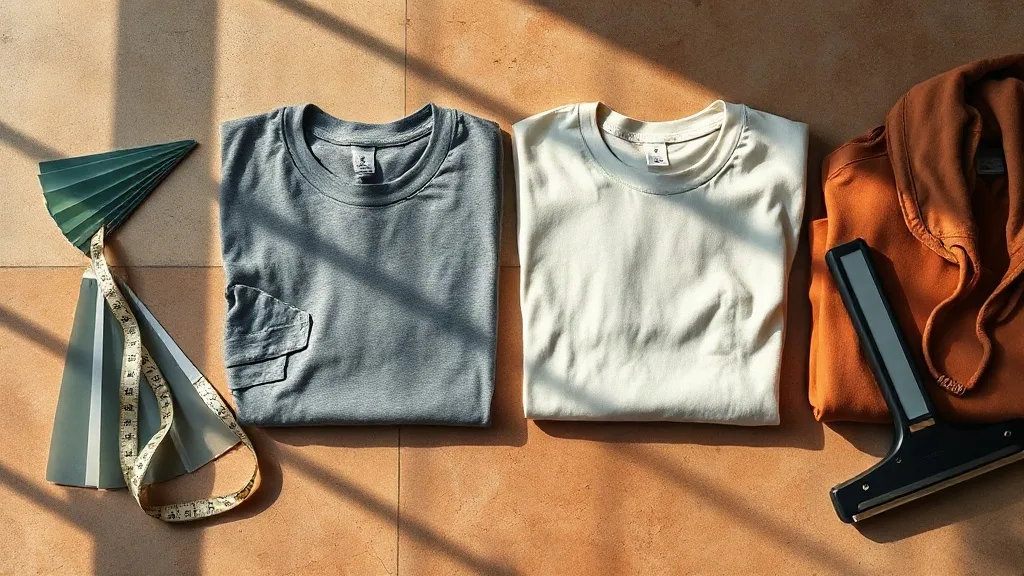
Walk into any print shop that handles a steady stream of custom orders and you will eventually hear the same debate at the counter: which blank should we build this run on? For a long stretch the answer settled on whoever had stock and a decent price. That shortcut stopped working once buyers started noticing the difference between a shirt that survives three washes and one that starts pilling by the second. shaka wear and smart blanks sit on opposite ends of that conversation, and understanding why saves you money, returns, and awkward client calls.
This is not a spec sheet dump. It is a practical breakdown built around the questions that actually come up when you are choosing a base garment: what the fabric feels like in hand, how it behaves under a screen or a heat press, who ends up wearing it, and what margin you can hold. If you print, embroider, or resell apparel, the choice between these two lines shapes the rest of your project more than any design decision.
What Each Line Is Actually Built For
Both brands make blank apparel, but they aim at different buyers. Getting that distinction straight is the fastest way to stop second-guessing your order.
Shaka Wear: Heavyweight and Streetwear Leaning
Shaka Wear has carved out a reputation around heavier cotton, boxier cuts, and a look that reads closer to streetwear than to corporate giveaways. Think thick jersey tees, dropped shoulders, and hoodies with enough structure to hold their shape on a hanger. The fabric weight is the headline here. A heavier garment drapes differently, photographs better on a model, and tends to feel more substantial in the customer's hands, which matters when you are selling at a premium price point or building a brand identity around quality.
That weight comes with tradeoffs. Heavy cotton takes longer to cure, uses more ink or plastisol, and can be less forgiving on a beginner's press. It also runs warmer, which is great for fall and winter drops and less appealing for summer festival merch in a hot climate.
Smart Blanks: Everyday Value and Volume
Smart Blanks plays a different game. The line is built around accessible pricing, broad size availability, and consistent stock, which makes it a natural fit for team uniforms, promotional runs, event merch, and anything where quantity and repeatability matter more than a boutique feel. The hand feel leans lighter and softer out of the bag, and the fit tends to be more traditional, which is often exactly what a mixed group of wearers wants.
For a print shop, the appeal is predictability. You can quote a large order, know the per-unit cost, and not worry that a restock will arrive with a noticeably different hand feel three months later. That consistency is worth more than it sounds when you are managing a client who reorders every quarter.
Fabric, Fit, and Hand Feel Compared
Numbers on a spec sheet only tell part of the story. Here is how the two lines tend to behave in the situations that come up most often.
- Weight and structure: Shaka Wear leans heavier and holds a boxier silhouette. Smart Blanks tends to feel lighter and more relaxed against the body.
- Drape: Heavier cotton falls in straighter lines, which flatters structured designs and large back prints. Lighter cotton moves more with the body.
- Shrinkage: Both lines are cotton-based, so expect some relaxation after the first wash. Pre-shrunk options exist on both sides, but always confirm the specific style before you promise a client a fit that will not change.
- Color range: Smart Blanks usually offers a wider catalog of standard colors for volume orders. Shaka Wear tends to focus on a tighter palette built around staple streetwear tones.
- Sizing spread: If you need extended sizes across a large group, check availability style by style. Extended sizing is not uniform across either line, and assuming it is will cost you a rush order.
How Each One Prints
Screen printing on a heavier cotton like Shaka Wear gives you crisp edges and good opacity with fewer passes, which is one reason printers who specialize in bold graphics gravitate toward it. The tradeoff is that heavy fabric needs more attention during curing, and stacking freshly printed garments too soon can cause sticking.
Smart Blanks handles plastisol, water-based, and discharge inks well, and the lighter fabric makes heat press work for DTF and vinyl transfers a bit more forgiving. If your workflow leans toward on-demand transfers rather than bulk screen printing, that flexibility is a real advantage. Either way, always run a test print on a spare garment before committing a full run. Fabric finishes vary between dye lots, and a five-minute test saves hours of rework.
Matching the Blank to the Job
The most useful way to decide is to work backward from the end user. Ask who will wear the garment, how often, and what they will judge it on.
When Shaka Wear Wins
Choose Shaka Wear when the garment is the product, not just a vehicle for a logo. That means brand drops, limited releases, premium retail pieces, and anything sold at a price point where the customer expects a substantial feel. It also suits workwear-inspired designs, oversized silhouettes, and photo shoots where structure matters. If your client says "I want it to feel expensive," this is usually the direction to point them.
When Smart Blanks Wins
Choose Smart Blanks when you need volume, speed, and predictable cost. Company events, school programs, sports teams, volunteer shirts, and promotional giveaways all fit here. The lighter hand feel is often preferred by people who are not used to heavy cotton, and the broader color range makes it easier to match a logo or an existing uniform. It is also the safer pick when you are printing a large mixed-size order and cannot afford sizing gaps.
The Middle Ground
Plenty of projects sit between those two poles. A small brewery releasing seasonal merch might want a heavier tee for its flagship design and a lighter blank for staff shirts. A gym might use heavyweight for retail and lighter blanks for members' welcome kits. Mixing lines within one client relationship is normal, and it often produces a better result than forcing every order onto a single base.
Cost, Margin, and the Hidden Expenses
Per-unit price is the number everyone looks at first, and it is also the most misleading. A cheaper blank that shrinks, fades, or arrives with inconsistent sizing generates returns, remakes, and reputation damage that dwarf the savings.
Run the math on total cost per finished piece instead. Add the blank cost, ink or transfer materials, labor time, and an allowance for defects and remakes. Heavier fabric usually costs more upfront but may reduce ink usage on bold designs and lower the remake rate on premium orders. Lighter fabric keeps the base cost down and speeds up handling, which matters when you are producing hundreds of units on a tight deadline.
Also factor in how each line restocks. A blank you cannot reorder in the same dye lot is a liability for any client who wants continuity. Before you commit a client to a base garment, confirm current stock levels and ask how often that style is replenished.
Practical Tips Before You Order
- Order one sample in each line and wash it three times before you decide. Hand feel out of the bag is not the same as hand feel after a month of wear.
- Check the size chart style by style, not brand by brand. Measurements vary more between styles than most buyers expect.
- Test your specific print method on a spare garment. Heat press settings that work on one fabric can scorch or under-cure another.
- Ask about dye lot consistency if the client plans to reorder. This single question prevents most color-matching complaints.
- Keep a small buffer of extras in the most common sizes. Sizing swaps are the most frequent after-sale request in custom apparel.
Frequently Asked Questions
Is Shaka Wear good for screen printing?
Yes. The heavier cotton holds detail well and produces clean edges with good opacity, which suits bold graphics and large back prints. The main adjustment is curing time, since thicker fabric retains more heat and moisture. Run a test piece first and dial in your conveyor speed before starting the full run.
Are Smart Blanks suitable for retail sale?
They can be, especially for price-sensitive retail or merch tables at events. The lighter hand feel and broad color range work well for casual designs. If you are positioning a product as premium, though, a heavier base usually supports a higher price more convincingly.
Which line shrinks less?
Shrinkage depends on the specific style and whether it is pre-shrunk, not on the brand name alone. Cotton relaxes after the first wash in both lines. Always check the individual product specification and wash a sample before quoting a client a precise fit.
Can I mix Shaka Wear and Smart Blanks in one order?
Absolutely, and many shops do. A common approach is using the heavier line for the hero product and the lighter line for staff or add-on items. Just be transparent with the client about the difference in hand feel so nobody is surprised when the two pieces arrive side by side.
How do I choose between them for a large corporate order?
Start with the wearer. If employees will wear the shirt weekly and judge it on comfort and fit across many body types, the lighter, broader-sizing line usually wins. If the shirt is a branded piece meant to signal quality at an event, the heavier option tends to photograph and feel better. When in doubt, order samples of both and let the client handle them.