
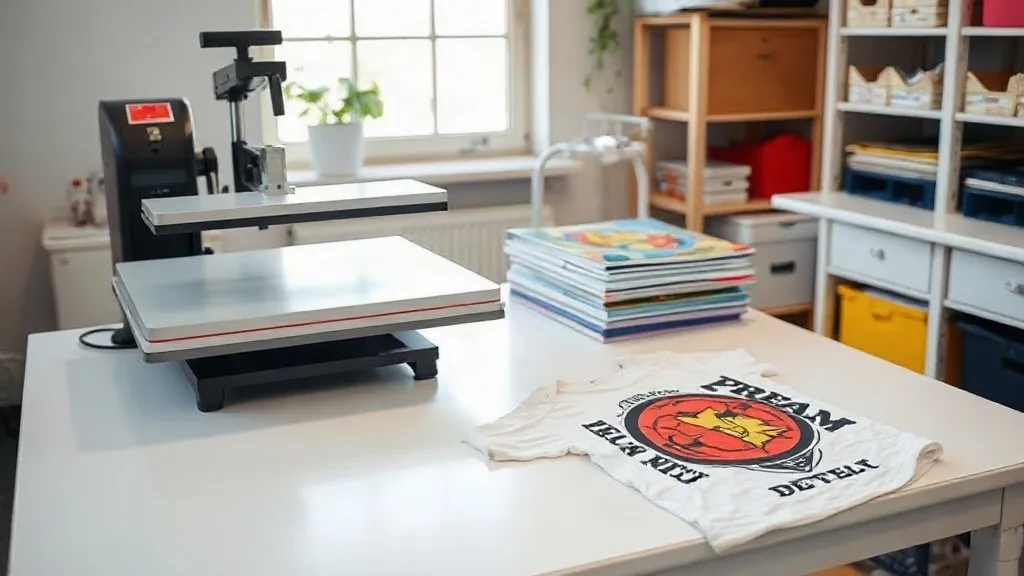
If you run a small print shop, you already know that the equipment you choose and the processes you adopt can make or break your business. Over the past few years, dtf transfers have moved from a niche alternative to a mainstream solution for custom apparel decoration. But is it right for your shop? And if so, how do you integrate it without disrupting your existing workflow or blowing your budget? This guide is written for owners and operators who need straight answers, not marketing fluff. We will walk through what DTF is, how it compares to other methods, and most importantly, how to use it profitably in a small shop environment.
What Exactly Are DTF Transfers?
DTF stands for direct-to-film. The process involves printing a design onto a special film using a DTF printer, applying a powder adhesive to the wet ink, and then curing the powder. The result is a transfer that can be stored and later applied to fabric using a heat press. Unlike DTG, which prints directly onto the garment, or screen printing, which requires screens and setup, dtf transfers offer a versatile middle ground: you can produce full-color, detailed designs without the per-color setup costs of screen printing, and you can apply them to a wide range of fabrics, including cotton, polyester, blends, and even some nylons.
For a small shop, the appeal is obvious. You can order transfers from a supplier (or print them in-house if you have the equipment) and then apply them on demand. That means no minimum order quantities on blank shirts, no wasted inventory, and the ability to offer complex designs to customers who only need a few pieces. It also opens up the possibility of printing on dark garments without the white underbase issues that can plague DTG.
Why Small Shops Are Turning to DTF
There are several reasons why DTF has gained traction among small print shops. First, the cost structure is favorable for short runs. Screen printing requires setup time and materials for each color, which makes small orders expensive. DTF transfers eliminate that. You can order a single transfer or a hundred, and the unit cost remains relatively stable. Second, the learning curve is gentler than for screen printing or DTG. Applying a transfer requires a heat press and some practice, but it is far less finicky than getting a perfect screen print or maintaining a DTG printer.
Third, DTF transfers are durable. When applied correctly, they withstand repeated washing without cracking or fading. That matters for customer satisfaction and repeat business. Fourth, the process is clean and space-efficient. You do not need a darkroom, emulsion, or a large press. A small heat press and a few square feet of workspace are enough to get started.
Choosing the Right DTF Supplier
Not all DTF transfers are created equal. The quality of the film, the ink, and the powder all affect the final result. When you are evaluating a supplier, ask about their printing resolution, the type of powder they use, and their quality control process. A good supplier will provide samples so you can test the transfers on your own fabrics and with your own heat press. Pay attention to how the transfer feels after application: it should be flexible, not stiff, and it should stretch with the fabric without cracking.
Another factor is turnaround time. If you are offering custom apparel to local customers, you need transfers quickly. Look for a supplier that ships fast and has clear communication. Also, consider whether they offer gang sheets, which allow you to combine multiple designs on a single sheet to save on costs. For a small shop, gang sheets can be a game-changer for optimizing material usage.
Setting Up Your Workflow
Integrating DTF into your shop requires a bit of planning. Start by designating a clean, dust-free area for applying transfers. Dust and lint are the enemy of a smooth application. You will need a heat press with accurate temperature and pressure control. A digital press with a pressure gauge is ideal, but you can get by with a quality analog press if you calibrate it properly. Invest in a infrared thermometer to check the platen temperature, as dials can be inaccurate.
Develop a standard operating procedure for each fabric type. Cotton, polyester, and blends all behave differently under heat. For example, polyester can shrink or scorch at high temperatures, so you may need to lower the temperature and increase the press time. Keep a log of your settings for each fabric and transfer type. This will save you time and reduce errors when you train new staff.
Organize your transfers by design and size. A simple filing system, such as a binder with plastic sleeves or a set of labeled bins, will keep you from scrambling when an order comes in. Label each transfer with the design name, size, and application notes. This is especially important if you offer a catalog of designs.
Pricing Your DTF Services
Pricing is where many small shops stumble. You need to cover not only the cost of the transfer but also your labor, heat press time, and overhead. A common mistake is to price based on the cost of the blank shirt plus a small markup, ignoring the true cost of the decoration. Instead, calculate your cost per transfer, add your labor rate (including time for pressing and quality check), and then apply your desired profit margin. Remember that DTF transfers have a lower material cost than screen printing for small runs, but your time is still valuable.
Consider offering tiered pricing: a higher price for single items and a discount for bulk orders. This encourages larger orders while maintaining profitability. Also, factor in the cost of mistakes. Even with experience, you will occasionally ruin a garment. Build a small percentage into your pricing to cover reprints.
Quality Control and Durability
Quality control is essential for maintaining your reputation. After pressing, inspect each garment for adhesion, cracking, and color accuracy. A properly applied DTF transfer should have a smooth, matte finish (or glossy, depending on the film) and should not peel at the edges. Perform a wash test on a sample from each batch to ensure durability. If a transfer fails, check your heat press settings first: temperature, pressure, and time are the usual culprits.
Durability also depends on the fabric. On synthetic fabrics, DTF transfers can sometimes feel stiffer, but they should still flex without cracking. On cotton, they tend to feel softer. Communicate care instructions to your customers: wash inside out, avoid fabric softener, and do not iron directly on the print. These simple steps will prolong the life of the transfer.
Common Mistakes to Avoid
Even experienced operators make mistakes. Here are a few to watch out for:
- Pressing at the wrong temperature. Always verify with a thermometer.
- Using too much pressure, which can cause the transfer to spread and lose detail.
- Not pre-pressing the garment to remove moisture and wrinkles.
- Peeling the transfer too soon or too late. Follow the supplier's instructions for cold or hot peel.
- Storing transfers in a humid environment, which can affect the powder adhesive.
By avoiding these pitfalls, you will achieve consistent results and reduce waste.
Frequently Asked Questions
Can I use DTF transfers on 100% polyester shirts?
Yes, DTF transfers work well on polyester, but you need to adjust your heat press settings. Polyester is heat-sensitive, so use a lower temperature (around 280-300°F) and a shorter press time to avoid scorching or dye migration. Always test on a sample first.
How long do DTF transfers last after washing?
When applied correctly, DTF transfers can last 50 washes or more. Durability depends on the fabric, application technique, and care. Following proper wash instructions (inside out, cold water, no fabric softener) will maximize longevity.
Do I need a special heat press for DTF?
No, a standard heat press works, but it should have accurate temperature and pressure control. A press with a digital display and pressure gauge is recommended for consistency. Ensure the platen is level and the pressure is even across the surface.
Can I print DTF transfers in-house?
Yes, you can buy a DTF printer and supplies to produce transfers in-house. However, it requires a significant investment and ongoing maintenance. For many small shops, ordering from a supplier is more cost-effective until volume justifies the equipment.
What is the difference between DTF and DTG?
DTG prints directly onto the garment, while DTF prints onto a film that is then transferred. DTF works on more fabric types, including dark colors, without pre-treatment, and has lower setup costs for small runs. DTG can be more cost-effective for large runs on cotton, but requires pre-treatment and has limitations on polyesters.