
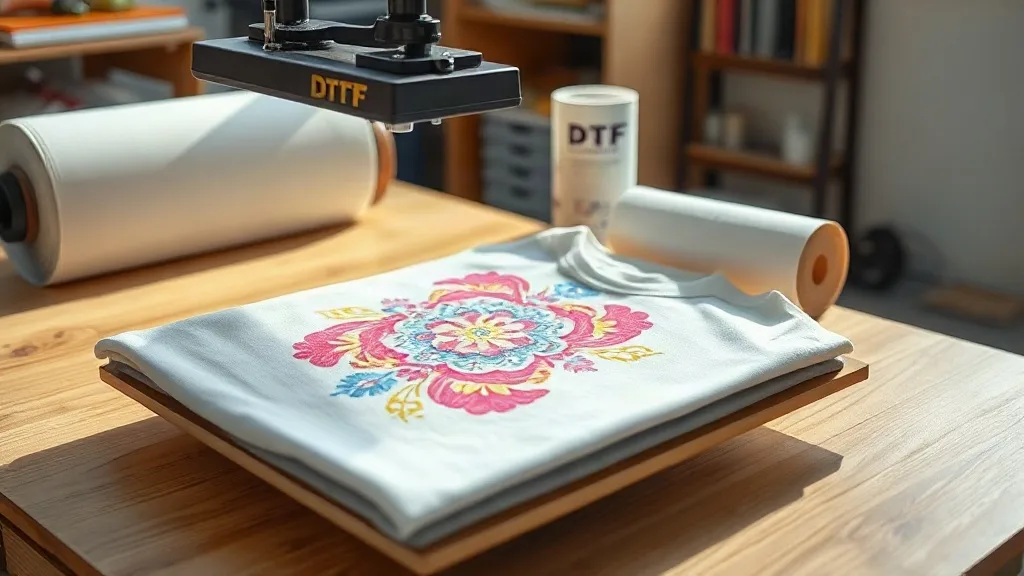
Custom apparel has never been more accessible, thanks to innovations like dtf transfers. Whether you're a small business owner looking to create branded merchandise or a DIY enthusiast wanting to personalize your wardrobe, DTF (Direct to Film) printing offers a versatile and cost-effective solution. In this guide, we'll explore everything you need to know about DTF transfers, from the basics of the process to expert tips for achieving professional results.
What Are DTF Transfers?
DTF transfers are a type of heat transfer that allows you to print full-color designs onto various fabrics. The process involves printing your design onto a special film, applying a powder adhesive, and then using a heat press to transfer the design onto the fabric. Unlike other methods like screen printing or vinyl, DTF doesn't require pre-treatment of the fabric, making it a popular choice for both professionals and hobbyists.
The DTF Printing Process Explained
The DTF process starts with a digital design, which is printed onto a PET film using specialized DTF inks. These inks are vibrant and durable, capable of reproducing intricate details and gradients. After printing, a hot melt adhesive powder is applied to the wet ink. The film is then cured, and the design is ready to be transferred. When you're ready to apply, simply place the film on your fabric and press with a heat press. The adhesive melts, bonding the ink to the fabric. Once cooled, peel away the film to reveal a soft, stretchable print.
Why Choose DTF Transfers?
DTF transfers have gained popularity for several compelling reasons. First, they work on almost any fabric, including cotton, polyester, blends, and even nylon. This versatility means you can use DTF for a wide range of projects, from t-shirts and hoodies to tote bags and caps. Second, DTF prints are highly durable. They resist cracking, fading, and peeling, even after multiple washes. Third, DTF is cost-effective for short runs. Unlike screen printing, which requires setup costs for each color, DTF allows you to print small batches without breaking the bank. Finally, DTF produces vibrant, photo-quality prints with fine details, making it ideal for complex designs.
DTF vs. Other Printing Methods
When deciding on a printing method, it's helpful to compare DTF with other common techniques like screen printing, DTG (Direct to Garment), and vinyl. Here's a quick breakdown:
- Screen Printing: Best for large orders with simple designs. Setup costs are high, but per-unit cost drops with volume. DTF is more cost-effective for small runs and complex designs.
- DTG: Ideal for 100% cotton and small details, but requires pre-treatment and can be slower. DTF works on more fabrics and often has a softer feel.
- Vinyl: Great for simple shapes and text, but limited in color and detail. DTF excels with full-color, intricate designs.
Each method has its strengths, but DTF stands out for its versatility, durability, and ability to produce high-quality prints on demand.
Applications of DTF Transfers
DTF transfers are used across various industries and personal projects. Here are some popular applications:
- Custom T-shirts: Create personalized tees for events, teams, or gifts.
- Branded Merchandise: Promote your business with logoed hoodies, caps, and bags.
- Sports Jerseys: Add names and numbers to team uniforms with durable, flexible prints.
- Fashion and Streetwear: Produce small-batch designs for your clothing line.
- Home Decor: Personalize pillows, aprons, and tote bags.
The possibilities are endless, limited only by your imagination.
Tips for Successful DTF Transfers
To achieve professional results with DTF transfers, follow these expert tips:
- Choose the Right Film: Use high-quality DTF film designed for your printer. Cheap film can cause ink smearing or poor adhesion.
- Control Humidity and Temperature: DTF inks are sensitive to environmental conditions. Store film and powder in a cool, dry place.
- Use the Correct Powder: Apply adhesive powder evenly and shake off excess. Too much powder can create a rough texture.
- Press with Precision: Set your heat press to the recommended temperature (usually around 320°F to 340°F) and use medium pressure. Always use a Teflon sheet or parchment paper to protect the design.
- Peel with Care: Wait for the transfer to cool completely before peeling for a matte finish, or peel while hot for a glossy effect. Test both methods to see which works best for your design.
- Wash Inside Out: To prolong the life of your DTF prints, wash garments inside out in cold water and tumble dry low.
By following these guidelines, you'll ensure vibrant, long-lasting results.
Common Mistakes to Avoid
Even experienced users can run into issues with DTF transfers. Here are some common pitfalls and how to avoid them:
- Insufficient Pressure: If the press pressure is too low, the transfer may not adhere properly. Adjust your press and test.
- Overcooking the Film: Pressing for too long or at too high a temperature can cause the film to warp or the ink to scorch. Always follow the ink and film manufacturer's recommendations.
- Using the Wrong Fabric: While DTF works on many fabrics, some heavily textured or coated materials may not yield good results. Always test on a swatch first.
- Ignoring Storage Conditions: DTF film and powder should be stored in a dry, cool environment. Humidity can ruin unused film.
Avoiding these mistakes will save you time and materials.
DTF Transfers for Your Business
If you're a business owner, DTF transfers can be a game-changer. They allow you to offer custom apparel without investing in expensive screen printing equipment. You can produce small batches of unique designs, making it perfect for print-on-demand or limited editions. Plus, DTF prints are durable and vibrant, ensuring customer satisfaction. Whether you're a startup or an established brand, DTF can help you expand your product offerings with minimal upfront costs.
Frequently Asked Questions
What fabrics work best with DTF transfers?
DTF transfers adhere well to cotton, polyester, blends, and many synthetic fabrics. They are not recommended for fabrics with heavy coatings or finishes that repel heat.
How long do DTF prints last?
With proper care, DTF prints can last as long as the garment itself. They resist cracking, fading, and peeling even after 50+ washes when washed inside out in cold water.
Can I use DTF transfers on dark colors?
Yes, DTF transfers include a white ink layer that allows vibrant colors to show up on dark fabrics. The white base ensures opacity and brightness.
Do I need a special printer for DTF?
You can convert an existing inkjet printer to use DTF inks, but it's essential to use DTF-specific inks and film. Alternatively, you can purchase a dedicated DTF printer for consistent results.
Is DTF eco-friendly?
DTF is relatively eco-friendly compared to some other methods. The water-based inks are less harmful, and the process generates minimal waste. However, proper disposal of film and powder is recommended.
DTF transfers are a versatile and efficient way to create custom apparel. With the right knowledge and tools, you can achieve professional results that impress. Explore the possibilities and elevate your creations with DTF today.