
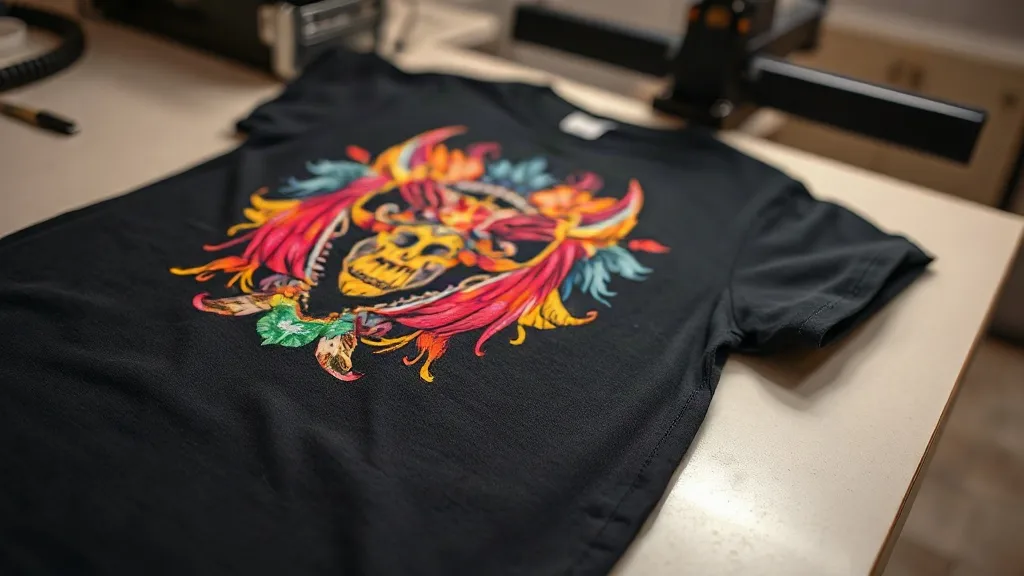
Custom apparel has always been a powerful way to express individuality, promote a brand, or commemorate an event. But the methods used to decorate garments have evolved significantly, and one technology that has taken the industry by storm is DTF transfers. If you're looking for a printing method that delivers vivid colors, exceptional durability, and works on almost any fabric, then dtf transfers might be exactly what you need. In this guide, we'll explore everything you need to know about DTF transfers, from the basics of the process to practical tips for getting the best results. Whether you're a hobbyist, a small business owner, or simply curious about this innovative technique, read on to discover why DTF is changing the game.
What Are DTF Transfers?
DTF stands for Direct to Film. It's a printing method where your design is printed onto a special film, then coated with a powder adhesive, and finally heat-pressed onto the fabric. Unlike other methods that require specialized pretreatment or limited fabric choices, dtf works on a wide range of materials, including cotton, polyester, blends, and even nylon. The process is relatively straightforward: print, powder, cure, and press. The result is a soft, stretchable print that holds up wash after wash.
The DTF Printing Process Step by Step
Understanding the DTF process helps you appreciate the quality and consistency it offers. Here's a breakdown of the key steps:
- Design Preparation: Your artwork is prepared digitally, ensuring it's mirrored and at the correct resolution.
- Printing: A specialized DTF printer lays down a layer of white ink (if needed) followed by color inks onto a PET film.
- Powdering: While the ink is still wet, a hot-melt adhesive powder is applied evenly over the printed area.
- Curing: The film is then heated to melt the powder, creating a durable adhesive layer.
- Heat Pressing: The transfer is placed on the fabric and pressed with heat and pressure, bonding the design permanently.
Each step requires precision, but once mastered, DTF offers remarkable consistency and efficiency.
Why Choose DTF Transfers for Your Projects?
There are several compelling reasons why DTF has become a preferred method for many in the custom apparel industry. Let's dive into the benefits that set it apart.
Vibrant Colors and Fine Details
DTF printers can produce incredibly detailed prints with a wide color gamut. Whether you have gradients, photographic images, or intricate linework, DTF captures every nuance. The colors remain bright and true, even after multiple washes, thanks to the protective adhesive layer.
Versatility Across Fabrics
One of the biggest advantages of DTF is its ability to adhere to almost any fabric. Cotton, polyester, silk, leather, and even denim are no match for DTF. This versatility means you can decorate a wide range of garments without worrying about compatibility issues. If you're searching for dtf transfers near me, you'll find plenty of options that cater to diverse fabric needs.
Durability and Stretchability
DTF transfers are known for their durability. The prints resist cracking, peeling, and fading, even after repeated washing. Additionally, the stretchable nature of the transfer makes it ideal for athletic wear and other garments that require flexibility. The design moves with the fabric, ensuring comfort and longevity.
Cost-Effective for Short Runs
Unlike screen printing, which requires setup costs for each color and screen, DTF is economical for short runs and one-off designs. There's no need for minimum order quantities, making it perfect for small businesses, events, or personal projects. You can print a single transfer or hundreds with ease.
Getting Started with DTF Transfers
If you're ready to dive into DTF, here are some practical tips to ensure success.
Choosing the Right DTF Printer and Supplies
Investing in a quality DTF printer is crucial. Look for models that offer high resolution and reliable performance. Equally important are the films, powders, and inks. Using compatible, high-quality supplies will prevent issues like clogged printheads and poor adhesion. Many suppliers offer starter kits that include everything you need to begin.
Preparing Your Artwork
While DTF can handle complex designs, starting with a high-resolution file is key. Ensure your design is at least 300 DPI and properly sized. Remember to mirror your design before printing, as the transfer will be flipped when pressed. Also, consider the fabric color: DTF prints include a white ink base, so they show up well on both light and dark garments.
Heat Press Settings for Optimal Results
Heat press settings can make or break your DTF transfer. As a general guide, set your press to 320°F (160°C) with medium pressure for 10-15 seconds. However, always refer to the instructions provided with your specific transfer film and powder, as variations exist. Peeling the film while hot or cold can also affect the finish, so follow the recommended method.
Common Challenges and How to Overcome Them
Even with a straightforward process, some issues can arise. Here are a few common problems and their solutions.
Adhesion Problems
If the transfer doesn't stick properly, it could be due to insufficient pressure, incorrect temperature, or an uneven surface. Ensure your heat press is calibrated and the fabric is flat and free of wrinkles. Also, check that the powder was fully cured; undercured powder won't bond correctly.
Color Fading
While DTF prints are durable, improper washing can lead to fading. Advise customers to wash garments inside out in cold water and avoid harsh detergents. Following these care instructions will extend the life of the print.
Film Wrinkling
Wrinkled film can cause uneven transfers. Store films flat and handle them carefully. If wrinkles occur, gently smooth them out before printing, or use a low-temperature iron on the back of the film to remove them.
DTF vs. Other Printing Methods
How does DTF compare to screen printing, DTG, and vinyl? Each has its strengths, but DTF often stands out for its versatility and cost-effectiveness.
DTF vs. Screen Printing
Screen printing is excellent for large orders with simple designs, offering low per-unit cost. However, it requires setup for each color and is less practical for detailed or short-run jobs. DTF shines in short runs and complex designs, with no color limitations.
DTF vs. Direct-to-Garment (DTG)
DTG prints directly onto the fabric, which is great for cotton but less effective on synthetics. DTF works on nearly all fabrics and often produces more vibrant colors. DTG also requires pretreatment, adding time and cost.
DTF vs. Heat Transfer Vinyl (HTV)
HTV is popular for simple designs but struggles with complex, multi-color graphics. DTF handles intricate details and full-color images with ease, making it a superior choice for detailed artwork.
Finding Quality DTF Transfers Near You
If you're not ready to invest in your own DTF printer, you can order custom transfers from specialized services. When searching for dtf transfers near me, consider factors like turnaround time, print quality, and customer reviews. Many online services offer fast shipping and competitive pricing, allowing you to focus on designing and pressing.
Frequently Asked Questions About DTF Transfers
How long do DTF transfers last?
With proper care, DTF transfers can last as long as the garment itself. They resist fading, cracking, and peeling for 50+ washes when washed inside out in cold water and tumble dried low.
Can I use DTF transfers on dark fabrics?
Absolutely. DTF transfers include a white ink base that makes colors pop on dark fabrics. The white layer ensures opacity and vibrancy, so your design stands out clearly.
Do I need a special printer for DTF?
Yes, DTF requires a dedicated DTF printer that uses pigment inks and can handle the film. However, you can also purchase pre-printed transfers from suppliers if you don't want to invest in a printer.
What is the best temperature for pressing DTF transfers?
Most DTF transfers press at around 320°F (160°C) for 10-15 seconds with medium pressure. Always check the instructions provided with your transfers for the most accurate settings.
Can DTF transfers be applied to mugs or other items?
DTF is primarily for fabrics, but with special adhesives and careful application, it can be used on some hard surfaces. However, it's not recommended for items that go through a dishwasher or extreme heat.
DTF transfers have revolutionized the way we decorate apparel, offering unmatched versatility, durability, and color vibrancy. Whether you're a DIY enthusiast or a professional printer, incorporating DTF into your workflow can open up new creative possibilities. So why wait? Explore the world of DTF transfers today and elevate your custom apparel game.