
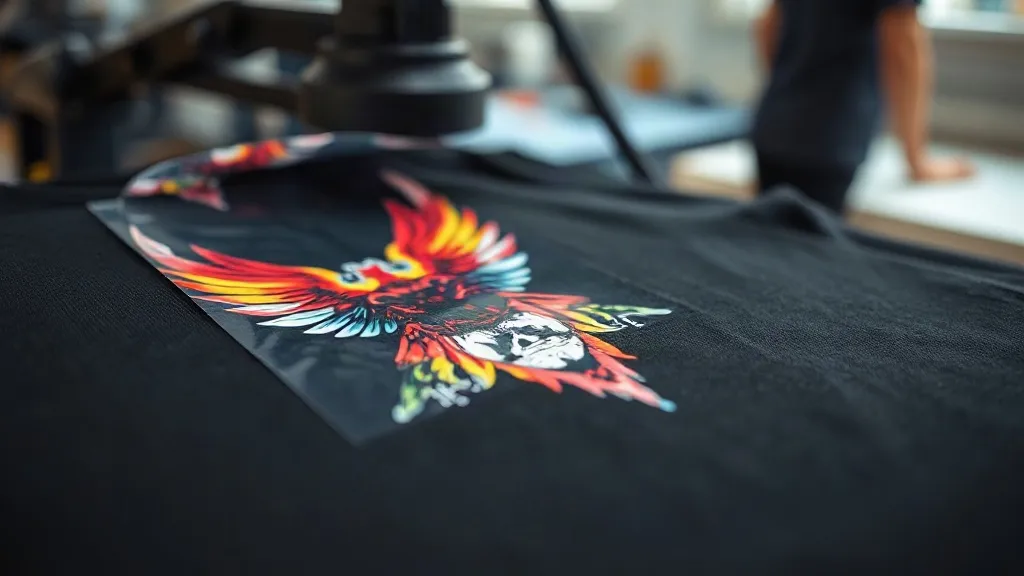
When it comes to custom apparel, the printing method you choose can make or break the final product. dtf transfers have emerged as a game-changer, offering vibrant colors, exceptional durability, and unmatched versatility. Whether you're a small business owner looking to expand your product line or a DIY enthusiast wanting to create personalized gifts, understanding DTF technology is essential. In this guide, we'll dive deep into what DTF transfers are, how they work, and why they might be the perfect solution for your next project.
What Are DTF Transfers?
DTF stands for Direct to Film. It's a printing technique where your design is printed onto a special film, then coated with a powder adhesive and cured. The result is a transfer that can be applied to a wide range of fabrics using a heat press. Unlike other methods like screen printing or vinyl, dtf transfers don't require pre-treatment of the garment, and they work on both light and dark materials, including cotton, polyester, and blends.
The DTF Printing Process Step by Step
Curious about how a DTF transfer comes to life? Here's a breakdown of the process:
- Design Preparation: Your artwork is digitally prepared, ensuring it's mirrored and sized correctly.
- Printing: A specialized DTF printer lays down white ink as a base, followed by color inks. This white layer is crucial for opacity on dark fabrics.
- Powder Application: While the ink is still wet, a hot-melt adhesive powder is applied evenly over the design.
- Curing: The film passes through a curing oven or under a heat lamp to melt the powder, creating a dry, tacky surface.
- Transfer: The film is then placed on the fabric and pressed with a heat press, bonding the design permanently.
Each step requires precision, but the outcome is a high-quality, durable print that feels soft to the touch.
Why Choose DTF Transfers?
There are several reasons why DTF transfers have become a favorite among professionals and hobbyists alike. Let's explore the key benefits.
Unmatched Versatility
One of the biggest advantages of DTF transfers is their ability to adhere to almost any fabric. Unlike vinyl, which struggles with stretchy materials, or screen printing, which is limited on dark colors, DTF works on cotton, polyester, nylon, and even leather. This opens up a world of possibilities for customizing items like t-shirts, hoodies, tote bags, and more.
Vibrant, Detailed Prints
DTF printing supports high-resolution images with fine details and gradients. The colors are bright and fade-resistant, ensuring your designs look stunning wash after wash. Whether you're printing a complex photograph or a simple logo, the result is crisp and professional.
Cost-Effective for Small Batches
Traditional printing methods like screen printing require setup costs that make small orders expensive. DTF transfers, on the other hand, are cost-effective even for single pieces. You can order just one transfer or thousands, making it ideal for small businesses, events, or personal projects.
Eco-Friendly Option
DTF transfers are considered more environmentally friendly than some other methods because they use water-based inks and produce less waste. The ability to print on demand also reduces overproduction.
How to Apply DTF Transfers
Applying a DTF transfer is straightforward if you have the right equipment. Here's a step-by-step guide:
- Preheat your heat press to the recommended temperature (usually around 300°F to 325°F).
- Place the garment on the press and pre-press for a few seconds to remove moisture.
- Position the transfer on the garment with the design facing up.
- Press with medium pressure for 10-15 seconds.
- Peel the film while it's still hot (or cold, depending on the film type).
- Post-press for a few seconds to ensure the design is fully bonded.
Always follow the specific instructions provided with your transfers for best results.
Finding Quality DTF Transfers Near You
If you're convinced that DTF transfers are right for your project, the next step is to find a reliable supplier. Searching for dtf transfers near me can help you locate local providers who offer quick turnaround and personalized service. Local suppliers often allow you to see samples and discuss your needs directly, which can be invaluable for ensuring quality.
When evaluating a supplier, consider the following:
- Print quality: Look for sharp details and vibrant colors.
- Durability: The transfers should withstand multiple washes without cracking or fading.
- Customer service: A good supplier will answer questions and provide guidance.
- Turnaround time: Ensure they can meet your deadlines.
Don't hesitate to ask for samples before committing to a large order.
DTF Transfers vs. Other Printing Methods
To truly appreciate DTF transfers, it helps to compare them with other popular printing techniques.
DTF vs. Screen Printing
Screen printing is cost-effective for large orders but requires setup and is limited on dark fabrics. DTF is better for small batches and complex designs.
DTF vs. Vinyl
Vinyl is great for simple text and shapes but struggles with intricate details and stretchy fabrics. DTF excels in both areas.
DTF vs. DTG
Direct-to-garment (DTG) printing is similar but typically requires pre-treatment and works best on 100% cotton. DTF is more versatile and often more durable.
Common Mistakes to Avoid with DTF Transfers
Even with a straightforward process, some pitfalls can affect your results. Here are a few to watch out for:
- Insufficient pressure: This can cause poor adhesion. Make sure your heat press is calibrated.
- Wrong temperature: Too hot or too cold can lead to peeling or scorching.
- Not pre-pressing: Moisture in the fabric can ruin the transfer.
- Peeling too early or too late: Follow the film's instructions for hot vs. cold peel.
By avoiding these mistakes, you'll achieve professional-looking results every time.
Frequently Asked Questions
Can I use DTF transfers on dark-colored shirts?
Absolutely! DTF transfers include a white ink base that makes colors pop on dark fabrics. This is one of their key advantages over other methods.
How long do DTF transfers last?
With proper application and care, DTF transfers can last as long as the garment itself. They are resistant to cracking, fading, and peeling even after many washes.
Do I need a special printer to make DTF transfers?
Yes, DTF printing requires a specialized printer that can handle DTF film and white ink. However, if you're not ready to invest in equipment, you can order transfers from a supplier.
What fabrics work best with DTF transfers?
DTF transfers work on almost any fabric, including cotton, polyester, blends, and even leather. They are particularly good for stretchy materials.
How do I find a reliable DTF transfer supplier near me?
Search online for dtf transfers near me, read reviews, and ask for samples. Local suppliers often provide faster service and personalized support.