
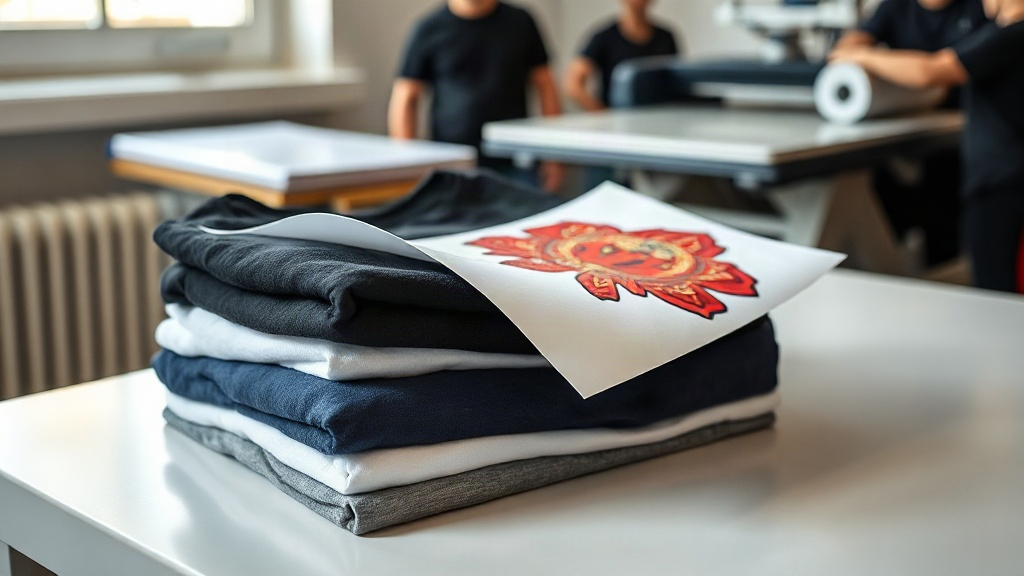
When you invest in custom apparel, whether for your business, event, or personal wardrobe, the last thing you want is a design that fades after a few washes. The foundation of any great custom piece isn't just the print—it's the blank. That's where smart blanks come in. These are garments engineered with the right fabric weight, weave, and finish to hold prints beautifully and stand up to daily wear. In this article, we'll explore why choosing the right blank is crucial, how printing methods like DTF transfers interact with different fabrics, and why brands like Shaka Wear are leading the charge in quality blanks. Whether you're a DIY enthusiast or a professional decorator, understanding the synergy between blank and print will transform your custom apparel game.
What Are Smart Blanks and Why Do They Matter?
Smart blanks aren't just any t-shirt or hoodie—they're garments specifically designed to optimize printing and wearing experience. They typically feature:
- Optimal fabric weight: Heavy enough to feel substantial but not stifling.
- Tight weave: Provides a smooth canvas for intricate designs.
- Pre-shrunk cotton or blends: Minimizes shrinkage and distortion after washing.
- Consistent dyeing: Ensures uniform color that won't bleed or fade.
When you print on a smart blank, the ink adheres better, the colors pop, and the design remains intact far longer than on a generic tee. Plus, the garment itself feels comfortable and looks professional, which reflects well on your brand or event.
The Role of DTF Transfers in Custom Apparel
DTF transfers (Direct-to-Film) have revolutionized the custom apparel industry. Unlike traditional screen printing or vinyl, DTF allows for full-color, high-detail designs without the setup costs. But not all blanks are created equal when it comes to DTF. The transfer adheres best to fabrics with a smooth surface and minimal texture. That's why smart blanks are ideal—they provide the perfect substrate for DTF, ensuring the transfer bonds securely and stretches with the fabric without cracking.
Why DTF Transfers Excel on Smart Blanks
- Vibrant colors: DTF transfers can reproduce photographic images and gradients with stunning accuracy.
- Durability: When applied correctly to a quality blank, DTF prints resist peeling and fading.
- Versatility: Works on cotton, polyester, and blends—but always check compatibility.
- No color limitations: Unlike screen printing, you're not restricted by the number of colors.
However, the success of DTF largely depends on the blank. A rough, loose-knit fabric can cause the transfer to lift or crack. Smart blanks eliminate this issue by offering a consistent, smooth surface.
Shaka Wear: A Benchmark for Quality Blanks
When discussing smart blanks, Shaka Wear deserves a spotlight. Known for their heavyweight cotton tees and hoodies, Shaka Wear garments are a favorite among streetwear brands and custom printers alike. Their blanks are crafted with:
- 100% ring-spun cotton: Soft yet durable, ideal for printing.
- Heavyweight construction: Typically 6.5 oz or more, giving a premium feel.
- Reinforced stitching: Enhances longevity, even after repeated wear and washing.
- Preshrunk fabric: Reduces shrinkage, so your design stays true to size.
Pairing Shaka Wear blanks with DTF transfers yields exceptional results. The tight knit of their fabric allows the transfer to embed deeply, creating a print that feels almost part of the garment. Plus, the heavyweight cotton provides a luxurious canvas that customers love.
How to Choose the Right Blank for Your Project
Not every project calls for the same blank. Consider these factors:
- Fabric content: 100% cotton is best for DTF and screen printing; blends may require special inks.
- Weight: Lighter weights (4-5 oz) for summer tees, heavier (6+ oz) for hoodies and winter wear.
- Color: Dark colors may require a white underbase for DTF; smart blanks often have a white base layer built-in.
- Fit: Consider your audience—unisex, fitted, or oversized.
- Brand reputation: Stick with trusted names like Shaka Wear for consistent quality.
Testing is key. Always print a sample on a blank before committing to a large order. This helps you gauge how the fabric interacts with your chosen printing method.
Maximizing Durability: Care Tips for Custom Apparel
Even the best smart blanks and DTF transfers need proper care to last. Follow these guidelines:
- Wash inside out: Protects the print from abrasion.
- Cold water: Hot water can weaken adhesives and fade colors.
- Gentle cycle: Avoid heavy agitation.
- Tumble dry low or hang dry: High heat can cause cracking.
- No iron directly on print: Use a pressing cloth if needed.
By combining high-quality blanks with proper care, your custom apparel will look great for years.
Frequently Asked Questions About Smart Blanks and Printing
What exactly are smart blanks, and how are they different from regular blanks?
Smart blanks are garments specifically engineered for printing. They have a tighter weave, consistent dyeing, and often a proprietary finish that enhances ink adhesion. Unlike regular blanks, they minimize common issues like shrinkage, fading, and print cracking, ensuring a professional result.
Can I use DTF transfers on any fabric, or do I need smart blanks?
While DTF transfers can be applied to many fabrics, they perform best on smooth, tightly woven materials. Smart blanks provide the ideal surface, reducing the risk of peeling or cracking. For best results, always check the DTF manufacturer's recommendations and test on a sample.
Why is Shaka Wear often recommended for custom apparel?
Shaka Wear is known for its heavyweight, ring-spun cotton blanks that offer a premium feel and excellent printability. Their garments are durable, pre-shrunk, and available in a wide range of colors, making them a top choice for both DIYers and professional decorators.
How do I ensure my DTF transfers last as long as possible?
Start with a quality smart blank, follow the DTF application instructions precisely, and care for the garment properly: wash inside out in cold water, avoid harsh detergents, and skip the dryer or use low heat. This combination will maximize the lifespan of your transfer.
Are smart blanks more expensive than regular blanks?
Smart blanks may cost slightly more upfront, but their durability and print quality often justify the investment. They reduce waste from misprints and returns, and they yield a final product that customers perceive as higher value. In the long run, they can be more cost-effective.
Elevate Your Custom Apparel with the Right Foundation
Creating custom apparel that stands out requires more than just a great design—it demands a superior blank. By choosing smart blanks like those from Shaka Wear and pairing them with advanced printing methods such as DTF transfers, you ensure your creations are not only visually striking but also built to last. Whether you're launching a brand or making team uniforms, remember that quality starts from the ground up. Invest in smart blanks, and your custom apparel will speak for itself.