
When you order custom patches, you probably focus on the design, colors, and shape. But there's a behind-the-scenes element that can make or break your project: the backing. If you've ever received patches that curled, peeled, or refused to stick, the issue might not be the embroidery—it's the backing. Enter smart blanks, a term that's gaining traction among patch makers and buyers alike. In this guide, we'll unpack what smart blanks are, why they matter, and how to use them to get flawless patches every time.
What Are Smart Blanks?
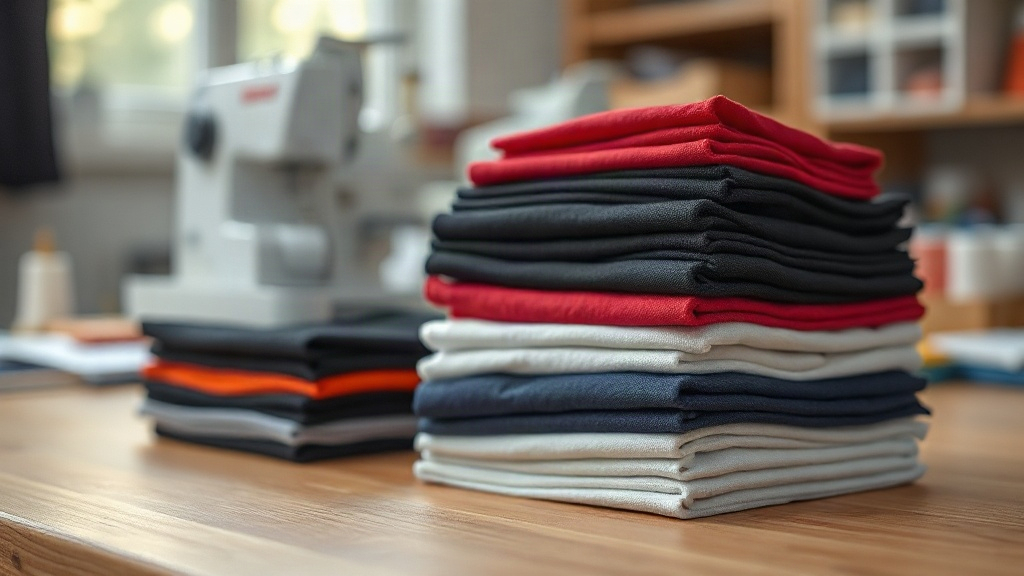
Smart blanks are pre-cut, unadorned patch bases made from felt, twill, or other durable fabrics. They serve as the foundation for embroidery or printing. Unlike traditional patch-making where you start from scratch, smart blanks come ready to use, saving you the step of cutting and preparing fabric. They're "smart" because they're engineered for efficiency: consistent size, clean edges, and compatibility with various attachment methods.
Think of them as the canvas for your patch artwork. Whether you're a DIY enthusiast or a professional embroiderer, smart blanks let you skip the tedious prep work and jump straight to the creative part. They're especially useful for small businesses that need to produce patches quickly without sacrificing quality.
Why Smart Blanks Matter for Custom Patches
If you've ever tried making patches from scratch, you know the struggle: fraying edges, uneven shapes, and backings that don't hold up. Smart blanks solve these problems by providing a uniform base. But the benefits go beyond convenience. Here's why they're a game-changer:
- Consistency: Each blank is identical, so your finished patches look uniform, whether you're making ten or ten thousand.
- Time savings: No more measuring, cutting, or hemming. You can focus on embroidery or printing.
- Cost efficiency: By reducing waste and labor, smart blanks lower your per-patch cost.
- Versatility: They work with iron-on, sew-on, Velcro, and adhesive backings.
- Durability: High-quality blanks are made from sturdy materials that withstand repeated washing and wear.
For businesses that order patches in bulk, these advantages translate to faster turnaround and happier customers.
Types of Smart Blanks and Their Best Uses
Not all smart blanks are created equal. The material and construction determine how well they perform for different applications. Let's break down the most common types:
Felt Smart Blanks
Felt is a popular choice for its soft texture and affordability. It's ideal for decorative patches, such as those used on jackets or bags. However, felt can pill over time, so it's best for items that don't undergo heavy abrasion. Felt smart blanks are easy to embroider and come in various colors.
Twill Smart Blanks
Twill is a woven fabric that's more durable than felt. It's the go-to for military, law enforcement, and workwear patches because it holds up to tough conditions. Twill smart blanks have a tight weave that prevents fraying and provides a smooth surface for detailed embroidery. If you need patches that last, twill is your best bet.
Canvas Smart Blanks
Canvas is heavier and more rigid, making it suitable for patches that need extra structure, like those attached to backpacks or hats. It's also a favorite for screen printing because it absorbs ink well. Canvas smart blanks are less common but offer a rugged, vintage look.
Adhesive-Backed Smart Blanks
Some smart blanks come with a pre-applied adhesive layer, so you can stick them directly onto fabric without sewing. These are perfect for temporary patches or for people who don't have sewing skills. Just peel, stick, and you're done. However, adhesive-backed blanks may not survive repeated washing, so they're best for events or short-term use.
How to Choose the Right Smart Blanks
Selecting the right smart blanks depends on your project's requirements. Consider these factors:
- End use: Will the patch be worn daily or occasionally? For heavy use, choose twill or canvas. For decorative purposes, felt is fine.
- Attachment method: If you plan to sew, any blank works. For iron-on, ensure the blank is compatible with heat-activated adhesive. For peel-and-stick, go with adhesive-backed blanks.
- Size and shape: Smart blanks come in standard shapes (circles, squares, rectangles) and custom die-cut shapes. Pick a size that fits your design without excessive trimming.
- Color: The blank's color affects the final look. A dark blank may require a light-colored embroidery thread for contrast.
- Quantity: Buying in bulk often reduces cost per unit, but make sure you have storage space.
Pro tip: Order a sample pack first. It's the best way to test different materials and see what works for your design before committing to a large order.
Working with Smart Blanks: Tips for Best Results
Once you have your smart blanks, a few best practices will ensure professional-looking patches:
- Stabilize properly: Even though smart blanks are pre-cut, you still need a stabilizer behind the fabric during embroidery to prevent puckering. Cut-away stabilizer works well for twill and canvas; tear-away is fine for felt.
- Use the right needle: A sharp needle (size 75/11 or 80/12) will glide through most blanks without causing pulls.
- Mind the density: High-density embroidery on thin felt can cause the fabric to distort. Adjust your stitch count or use a heavier blank.
- Test adhesion: If you're using iron-on blanks, do a test press on a scrap fabric to find the right temperature and time. Too much heat can scorch the blank; too little won't activate the glue.
- Finish edges: Although smart blanks have clean edges, you can add a satin stitch border for extra durability and a polished look.
These small steps make a big difference in the final product.
Common Mistakes to Avoid with Smart Blanks
Even experienced crafters can slip up. Here are pitfalls to watch for:
- Using the wrong stabilizer: Skipping stabilizer leads to wrinkled patches. Always use one appropriate for your fabric.
- Overheating during iron-on: This can melt the adhesive or burn the fabric. Follow the manufacturer's instructions.
- Ignoring fabric grain: For twill and canvas, the grain direction affects how the patch drapes. Cut or align accordingly.
- Storing improperly: Keep smart blanks in a dry, dust-free environment. Moisture can cause mold, and dust can clog embroidery needles.
- Assuming all blanks are equal: Cheap blanks may have inconsistent thickness or poor dye lots. Invest in quality blanks from a reputable supplier.
By avoiding these mistakes, you'll save time and materials.
Frequently Asked Questions About Smart Blanks
What exactly are smart blanks, and how do they differ from regular patch blanks?
Smart blanks are essentially the same as regular patch blanks—pre-cut fabric bases for embroidery. The term "smart" often refers to blanks that are optimized for efficiency, such as those with pre-applied adhesive or precision-cut edges. They're designed to reduce prep time and improve consistency, but the core concept is identical.
Can I use smart blanks for iron-on patches?
Yes, but you need to choose blanks that are compatible with heat-activated adhesive. Some smart blanks come with an iron-on backing already applied; others require you to add a heat-seal film. Always test a small area first to ensure the adhesive bonds well with your fabric.
Are smart blanks washable?
Most smart blanks are washable, but durability depends on the material and attachment method. Twill and canvas blanks hold up well to repeated washing, especially if sewn on. Felt blanks may pill or shrink over time. Adhesive-backed blanks are typically not recommended for frequent washing unless you reinforce them with stitching.
Where can I buy high-quality smart blanks?
You can find smart blanks at craft stores, online fabric retailers, and specialty patch suppliers. For bulk orders, look for manufacturers that offer custom sizes and shapes. Patches Prime is a trusted source for premium smart blanks and custom patch services. They provide a range of materials and backings to suit any project.
How do I prevent fraying on smart blanks?
Smart blanks are usually pre-sealed or made from fray-resistant fabrics like twill. However, if you cut them to a custom shape, you can apply a fray check liquid or use a satin stitch around the edges. For felt, a tight embroidery border also helps.
Final Thoughts
Smart blanks might not be the most glamorous part of patch making, but they're the foundation of a professional result. By choosing the right material, preparing properly, and avoiding common mistakes, you'll create patches that look great and last. Whether you're a hobbyist or a business owner, incorporating smart blanks into your workflow is a smart move. Ready to elevate your patch game? Explore the options at Patches Prime and see the difference for yourself.