
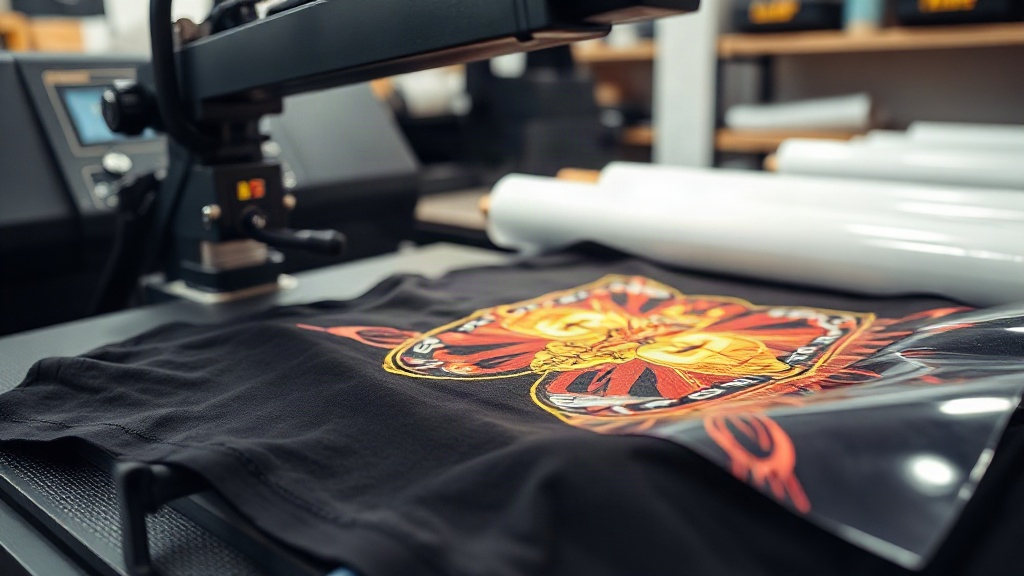
Imagine being able to print full-color, photographic-quality designs onto almost any fabric with a simple heat press. That's the power of DTF transfers. Whether you're a small business owner looking to offer custom apparel, a DIY enthusiast, or a large-scale manufacturer, DTF transfers are changing the way we think about garment decoration. In this guide, we'll dive deep into what DTF transfers are, how they work, and why they might be the perfect solution for your next project.
What Are DTF Transfers?
DTF stands for Direct-to-Film. It's a printing technology where your design is printed onto a special PET film using water-based inks, then coated with a hot-melt adhesive powder. Once the powder is cured, the transfer is ready to be applied to fabric using a heat press. Unlike DTG (Direct-to-Garment) printing, which prints directly onto the garment, DTF transfers allow you to print the design separately and then apply it to a wide range of materials, including cotton, polyester, blends, and even nylon. This flexibility makes DTF transfers a favorite among those who need high-quality, durable prints on diverse fabrics.
How DTF Transfers Work: Step by Step
Understanding the DTF process can help you appreciate its advantages and get the best results. Here's a breakdown of the steps involved:
- Design Preparation: Your artwork is prepared digitally, ensuring it's in the correct color mode (usually CMYK) and at the desired resolution. DTF printers can handle intricate details and gradients beautifully.
- Printing onto Film: The design is printed onto a PET film using a DTF printer. The printer lays down a layer of white ink first (if needed for opacity), followed by the color inks. This white layer is crucial for vibrant colors on dark fabrics.
- Powder Application: While the ink is still wet, a hot-melt adhesive powder is sprinkled evenly over the printed film. The excess powder is shaken off, leaving a thin layer adhering to the ink.
- Curing: The film with the powder is then heated to melt the powder, creating a smooth, adhesive surface. This can be done in a curing oven or with a heat press.
- Transferring to Fabric: The cured transfer is placed onto the fabric and pressed with a heat press at a specific temperature and pressure for a set time. The adhesive melts and bonds with the fabric fibers.
- Peeling: After pressing, the film is peeled away (hot or cold peel, depending on the adhesive), leaving the design permanently bonded to the fabric.
Why Choose DTF Transfers?
DTF transfers offer a unique set of benefits that make them stand out from other printing methods. Let's explore why they're gaining so much popularity.
Vibrant Colors and Fine Details
DTF printers can produce incredibly vibrant colors and fine details, thanks to the white ink layer and high-resolution printing. Whether you have a complex gradient or a photograph, DTF transfers capture it all with stunning accuracy. Unlike screen printing, which requires separate screens for each color, DTF handles full-color designs in a single pass.
Versatility on Various Fabrics
One of the biggest advantages of DTF transfers is their ability to adhere to a wide range of materials. Cotton, polyester, cotton-poly blends, nylon, leather, and even some treated synthetic fabrics can all receive DTF transfers. This versatility means you can offer custom apparel for sports teams, corporate events, fashion lines, and more, without worrying about fabric compatibility.
Durability and Washability
When applied correctly, DTF transfers are extremely durable. They resist cracking, peeling, and fading even after multiple washes. The hot-melt adhesive creates a strong bond that withstands the rigors of daily wear. This makes DTF transfers ideal for items that will be worn and washed frequently, such as t-shirts, hoodies, and uniforms.
Cost-Effective for Short Runs and Customization
Unlike screen printing, which becomes cost-effective only for large orders, DTF transfers are economical for short runs and one-off items. You can print a single transfer or thousands, with minimal setup costs. This makes DTF perfect for small businesses, personalized gifts, and sample production. Plus, you can store the printed transfers and apply them on demand, reducing inventory waste.
DTF vs. Other Printing Methods
How does DTF compare to DTG, screen printing, and vinyl? Let's break it down.
DTF vs. DTG
DTG prints directly onto the garment, which limits you to cotton fabrics and requires pre-treatment. DTF, on the other hand, works on almost any fabric and doesn't require pre-treatment. DTF also tends to have more vibrant colors on dark garments because of the white ink layer. However, DTG can be more cost-effective for large orders on cotton, and the print feels slightly softer. Ultimately, the choice depends on your fabric and design needs.
DTF vs. Screen Printing
Screen printing is the go-to for large orders of simple designs with few colors. It offers excellent durability and a classic feel. But it's not practical for complex, multi-color designs or short runs due to setup costs and time. DTF transfers excel in these areas, providing full-color prints without the hassle of screens. For small businesses or on-demand printing, DTF is often the better choice.
DTF vs. Heat Transfer Vinyl (HTV)
HTV is great for simple text and single-color designs, but it can't handle intricate details or gradients. DTF transfers can reproduce any design, no matter how complex, with vibrant colors. HTV is typically limited to one color per layer, while DTF is full-color. For detailed artwork, DTF is the clear winner.
Getting Started with DTF Transfers
If you're convinced that DTF transfers are right for you, here's what you need to get started.
Equipment and Supplies
- DTF Printer: Choose a printer that suits your volume and budget. Entry-level models are available for small businesses, while industrial printers handle high volumes.
- DTF Inks: Use high-quality DTF inks designed for your printer. Water-based inks are standard.
- PET Film: Special coated film for DTF printing. It comes in rolls or sheets.
- Hot-Melt Adhesive Powder: This is crucial for bonding. It comes in different particle sizes; finer powders are better for detailed designs.
- Curing Oven or Heat Press: For curing the powder, you can use a dedicated curing oven or a heat press.
- Heat Press: For transferring the design to the fabric. A good quality heat press ensures even temperature and pressure.
Tips for Successful DTF Transfers
- Test Your Settings: Every heat press and fabric behaves differently. Always do a test press to find the optimal temperature, pressure, and time.
- Control Moisture: Fabric moisture can affect adhesion. Pre-press the garment to remove moisture before applying the transfer.
- Handle with Care: Avoid touching the printed area of the transfer before pressing, as oils from your skin can interfere with adhesion.
- Store Properly: Keep unused transfers in a cool, dry place to prevent the powder from absorbing moisture.
Common Applications of DTF Transfers
DTF transfers are used in a variety of industries and personal projects. Here are some popular applications:
- Custom T-Shirts and Hoodies: Perfect for small businesses, bands, and events.
- Sportswear and Team Uniforms: DTF adheres well to performance fabrics like polyester.
- Corporate Apparel: Company logos and branded merchandise.
- Fashion and Streetwear: High-detail designs and limited editions.
- Personalized Gifts: Custom tote bags, aprons, and more.
Frequently Asked Questions About DTF Transfers
How long do DTF transfers last?
When applied correctly, DTF transfers can last as long as the garment itself. They withstand 50+ washes without significant fading or cracking. Proper washing inside out in cold water and avoiding direct ironing on the print will extend their life.
Can I use DTF transfers on dark fabrics?
Absolutely! DTF transfers are especially effective on dark fabrics because the white ink layer provides a bright base for the colors, making them pop. This is a major advantage over DTG, which may require multiple passes on dark garments.
Do I need a special printer for DTF transfers?
Yes, you need a DTF printer that uses DTF inks and is designed to print on PET film. However, you can also buy pre-printed DTF transfers from suppliers if you don't want to invest in a printer. Many companies offer custom DTF transfer services where you send them your design and they ship you the ready-to-press transfers.
What fabrics work best with DTF transfers?
DTF transfers work on a wide range of fabrics, including cotton, polyester, cotton-poly blends, nylon, and leather. They are not recommended for fabrics with a high silicone content or those treated with water-repellent finishes, as adhesion may be poor.
Is DTF printing cost-effective for small businesses?
Yes, DTF printing is very cost-effective for small businesses, especially for short runs and custom orders. The ability to print one-off designs without setup costs makes it ideal for personalized products and on-demand printing. As your volume grows, you can scale up with more efficient equipment.
DTF transfers are a versatile, durable, and vibrant solution for custom apparel printing. Whether you're just starting out or looking to expand your offerings, DTF technology can help you deliver high-quality products that impress. With the right equipment and a bit of practice, you'll be creating stunning custom garments in no time.