
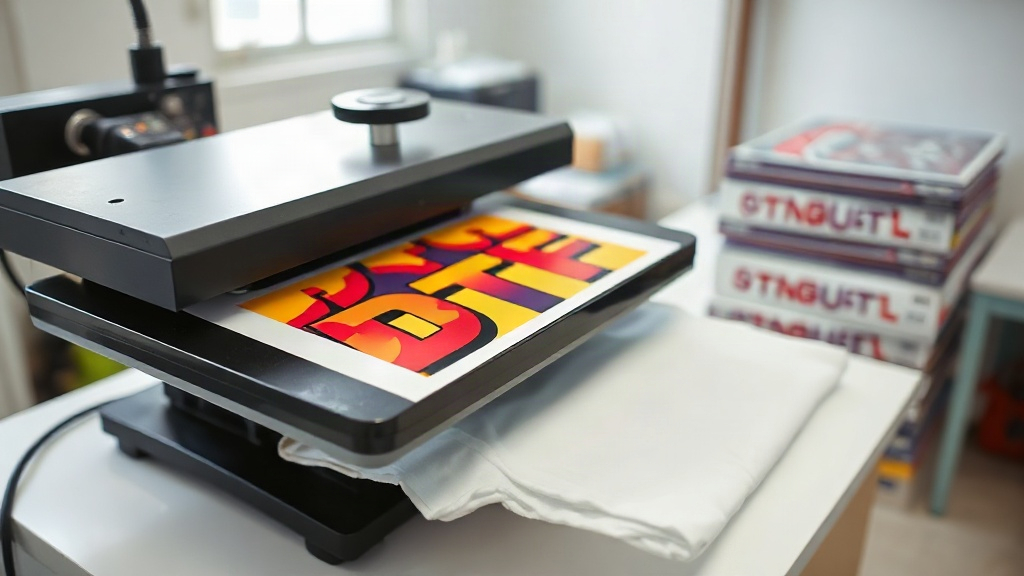
When it comes to customizing apparel, DTF transfers have become a game-changer for both small business owners and DIY enthusiasts. Unlike traditional methods like screen printing or vinyl cutting, DTF transfers offer a versatile, cost-effective solution that works on almost any fabric. Whether you're creating team jerseys, promotional t-shirts, or personalized gifts, understanding how DTF transfers work can save you time and money while delivering professional results.
What Are DTF Transfers?
DTF stands for Direct-to-Film. It's a printing technology where your design is printed onto a special film using water-based inks, then coated with a hot-melt adhesive powder. Once the powder is cured, the transfer is ready to be applied to fabric using a heat press. The result is a vibrant, durable print that bonds seamlessly to the material.
Unlike DTG (Direct-to-Garment) printing, which requires specialized equipment and works best on 100% cotton, DTF transfers can be applied to a wide range of fabrics, including polyester, blends, and even nylon. This flexibility makes DTF transfers a favorite among those who want high-quality results without investing in expensive machinery.
Why Choose DTF Transfers?
There are several reasons why DTF transfers have gained popularity in the custom apparel industry:
- Versatility: Works on cotton, polyester, blends, and more.
- Durability: The prints resist cracking, peeling, and fading even after multiple washes.
- Detail: Ideal for complex designs with fine lines, gradients, and multiple colors.
- Cost-effective: No need for minimum orders or expensive setup fees.
- Ease of use: With a heat press, you can apply transfers in minutes.
For small businesses, DTF transfers mean you can offer custom apparel without outsourcing or investing in screen printing equipment. For hobbyists, it's a fun and accessible way to create personalized items.
How to Apply DTF Transfers
Applying DTF transfers is straightforward, but following the right steps ensures a long-lasting result. Here's a step-by-step guide:
1. Prepare Your Workspace
Set up your heat press on a stable surface. Ensure it's clean and free of any debris. Preheat the press to the recommended temperature, usually between 300°F and 350°F (150°C to 175°C).
2. Position the Transfer
Place your garment on the heat press. If needed, pre-press for a few seconds to remove moisture and wrinkles. Then, position the DTF transfer with the printed side facing up.
3. Press the Transfer
Apply medium to firm pressure for 10-15 seconds. The exact time and temperature may vary depending on the film manufacturer, so always check the instructions. After pressing, allow the garment to cool completely before peeling off the film. For a matte finish, peel while hot; for a glossy finish, peel after cooling.
4. Post-Press for Durability
For added durability, cover the design with a Teflon sheet or parchment paper and press again for 5-10 seconds. This ensures the adhesive fully bonds with the fabric.
Common Mistakes to Avoid
Even though DTF transfers are user-friendly, some common pitfalls can affect the outcome:
- Insufficient pressure: Leads to poor adhesion and premature peeling.
- Wrong temperature: Too hot can scorch the fabric; too cold results in weak bond.
- Peeling too early: Always let the transfer cool before peeling to avoid design distortion.
- Not pre-pressing: Moisture in the fabric can cause the transfer to lift.
By avoiding these mistakes, you'll achieve professional-looking results every time.
DTF Transfers vs. Other Printing Methods
How do DTF transfers stack up against other popular methods?
DTF vs. Screen Printing
Screen printing is cost-effective for large orders but requires setup and works best on simple designs. DTF transfers shine for small batches and complex, multi-color designs.
DTF vs. DTG
DTG is excellent for 100% cotton but limited on synthetics. DTF transfers work on nearly any fabric and often produce more vibrant colors.
DTF vs. Vinyl
Vinyl is great for simple text and shapes but can't handle intricate details. DTF transfers can reproduce photographic-quality images.
Tips for Long-Lasting DTF Prints
To ensure your DTF transfers withstand the test of time, follow these care tips:
- Wait 24 hours before washing the garment.
- Turn the garment inside out before washing.
- Use cold water and mild detergent.
- Avoid bleach and fabric softeners.
- Tumble dry on low or hang dry.
- Iron on the reverse side, never directly on the print.
With proper care, your DTF transfers can last as long as the garment itself.
Frequently Asked Questions
Can DTF transfers be applied to dark fabrics?
Yes, DTF transfers include a white ink layer that makes them opaque, so they show up beautifully on dark colors.
Do I need a commercial heat press?
While a commercial heat press gives the best results, you can use a home iron or a small heat press. Just ensure consistent pressure and temperature.
How long do DTF transfers last?
With proper application and care, DTF transfers can last 50+ washes without fading or cracking.
Can I stretch the fabric after applying a DTF transfer?
DTF transfers have some stretchability, but excessive stretching may cause cracking. It's best to avoid stretching the printed area.
Are DTF transfers safe for children's clothing?
Yes, DTF transfers are safe for all ages as they are free from harmful chemicals. However, always follow the manufacturer's safety guidelines.
Final Thoughts
DTF transfers offer a perfect blend of quality, versatility, and ease of use. Whether you're a business looking to expand your product line or a DIY enthusiast wanting to create custom gifts, DTF transfers provide a reliable solution. With the right techniques and care, you can achieve stunning, durable prints that impress.
Ready to get started? Explore high-quality DTF transfer supplies at Patches Prime and bring your designs to life.