
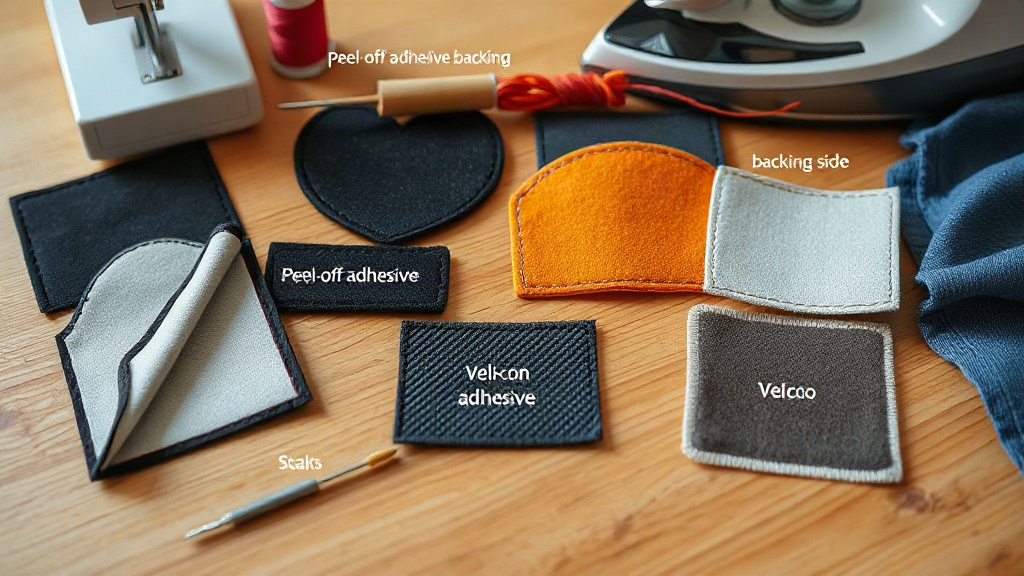
When you order custom patches, you're not just choosing a design; you're also selecting the backing that determines how the patch attaches to fabric. Smart blanks are the unsung heroes of patch application, offering a clean, efficient way to secure your patches without the hassle of sewing or ironing. In this guide, we'll explore what smart blanks are, the different types available, and how to pick the best one for your needs. Whether you're a fashion designer, a scout leader, or a business owner looking to brand uniforms, understanding patch backings will save you time and ensure a professional finish.
What Are Smart Blanks?
The term smart blanks refers to the backing material applied to the reverse side of a custom patch. This backing is what allows the patch to be attached to a garment or accessory. While the front of the patch displays your logo or design, the back is where the magic happens. Smart blanks are designed to be user-friendly, providing a reliable attachment method that suits different fabrics and applications. Unlike traditional sew-on patches that require needle and thread, smart blanks offer alternatives like iron-on, adhesive, or Velcro, making patch application accessible to everyone.
Types of Smart Blanks
Not all backings are created equal. Each type of smart blank has its own strengths and ideal use cases. Let's break down the most common options.
Iron-On Backing
Iron-on backing is one of the most popular smart blanks. It consists of a heat-activated adhesive that bonds to fabric when you apply heat and pressure with an iron. This type is perfect for cotton, denim, and other heat-tolerant materials. However, it may not work well on nylon, leather, or highly textured fabrics. For a secure hold, follow the instructions carefully: preheat your iron, place the patch in position, cover it with a thin cloth, and press firmly for 20-30 seconds. Allow it to cool before testing the bond. Iron-on smart blanks are great for quick fixes and DIY projects, but for heavy-use items like jackets or backpacks, you might want to reinforce with a few stitches.
Peel-and-Stick Adhesive Backing
Peel-and-stick smart blanks feature a strong adhesive layer protected by a release paper. You simply peel off the paper and press the patch onto the surface. This is the easiest and fastest method, ideal for temporary applications or items that won't be washed frequently. However, the adhesive may lose its grip over time, especially on flexible or curved surfaces. For a more permanent hold, consider combining peel-and-stick with sewing or ironing. This type of smart blank is excellent for events, prototypes, or when you need to attach patches to non-fabric items like notebooks or plastic cases.
Velcro Backing
Velcro (hook and loop) backing is a versatile smart blank that allows you to attach and remove patches easily. The patch has the hook side, while the loop side is sewn onto the garment. This is ideal for tactical gear, uniforms, or any situation where you might want to swap patches. Velcro smart blanks are durable and can withstand repeated use. They are also great for kids' clothing, as you can change patches to match their mood or activity. Keep in mind that you'll need to sew the loop side onto the garment, which adds a step, but the flexibility is worth it.
Sew-On Backing
Traditional sew-on backing is not adhesive, but it's still a type of smart blank in the sense that it's a deliberate choice for permanent attachment. Sew-on patches are the most secure and long-lasting option. They can be applied to any fabric, including delicate or stretchy materials, and they won't peel off. The downside is the time and skill required to sew them on. However, for heirloom pieces, military uniforms, or heavy-duty workwear, sew-on smart blanks are unmatched in durability.
How to Choose the Right Smart Blank
Selecting the best smart blank depends on several factors: the fabric, the intended use, and how permanent you want the attachment to be. Here's a quick guide:
- For everyday wear and easy application: Iron-on backing is a solid choice for cotton tees, jeans, and jackets.
- For temporary or no-sew projects: Peel-and-stick adhesive works well for costumes, events, or paper crafts.
- For tactical or interchangeable use: Velcro backing offers flexibility and durability.
- For permanent, heavy-duty attachment: Sew-on backing is the gold standard.
Consider the care instructions of the garment as well. If you wash it frequently, iron-on or sew-on will hold up better than adhesive. Also, think about the weight of the patch: heavier patches may need stronger backing.
Application Tips for Smart Blanks
To get the best results from your smart blanks, follow these practical tips:
- Prepare the surface: Ensure the fabric is clean, dry, and wrinkle-free. For iron-on, preheat the fabric to remove moisture.
- Test first: If you're unsure, test the backing on a scrap piece of fabric or an inconspicuous area.
- Use the right heat setting: For iron-on, match the iron temperature to the fabric type. Too hot can burn the fabric; too cool won't activate the adhesive.
- Apply pressure: Whether ironing or pressing, use firm, even pressure. For peel-and-stick, rub the patch firmly for 30 seconds.
- Reinforce if needed: For high-stress areas, add a few stitches around the edges, even if using an adhesive backing.
Common Mistakes to Avoid
Even with smart blanks, things can go wrong. Here are some pitfalls to watch out for:
- Ironing on the wrong side: Always place the patch face up and cover with a cloth. Ironing directly on the patch can melt the design.
- Using too much heat: This can scorch the fabric or cause the adhesive to ooze out. Follow the recommended temperature.
- Not waiting for the adhesive to cool: For iron-on, the bond strengthens as it cools. Don't test it immediately.
- Skipping surface preparation: Dust, oils, or fabric softener can prevent a good bond.
- Assuming all backings work on all fabrics: Adhesives don't stick to silicone, waterproof, or highly textured materials.
Why Smart Blanks Matter for Your Brand
If you're using patches for branding, the backing you choose reflects your attention to detail. A patch that peels off or looks messy can hurt your brand image. By selecting the right smart blank, you ensure that your logo stays put and looks professional. For employee uniforms, iron-on or sew-on backings provide a neat, lasting appearance. For promotional giveaways, peel-and-stick or Velcro backings offer convenience and versatility. Investing in quality smart blanks is an investment in your brand's reputation.
Frequently Asked Questions About Smart Blanks
Can I iron on a patch with peel-and-stick backing?
Yes, you can often iron a peel-and-stick patch to make it more permanent. However, the adhesive may not be heat-activated, so ironing might not improve the bond significantly. For best results, remove the release paper, press the patch in place, and then iron over it with a cloth. Alternatively, sew around the edges for extra security.
How do I remove a patch with smart blank backing without damaging the fabric?
For iron-on patches, apply heat with an iron or a hair dryer to soften the adhesive, then gently peel the patch away. For adhesive patches, use a small amount of rubbing alcohol or adhesive remover to loosen the bond. Always test on a hidden area first. Velcro patches simply pull off, and sew-on patches require seam ripping.
Which smart blank is best for waterproof jackets?
Sew-on backing is the most reliable for waterproof jackets because adhesives may not stick to the water-repellent coating. If you prefer a no-sew option, look for patches specifically designed for outdoor gear, which may use a special adhesive. Velcro is another option, but you'll need to sew the loop side onto the jacket, which can compromise waterproofing unless sealed.
How long do smart blanks last?
The longevity of smart blanks depends on the type and how the garment is cared for. Sew-on patches can last for years, often outliving the garment. Iron-on patches can last through many washes if applied correctly. Peel-and-stick adhesive is temporary and may need reapplication. Velcro can last for hundreds of cycles if the loop side is sewn securely. Always follow care instructions to maximize lifespan.
Can I use smart blanks on leather?
Leather is tricky because high heat can damage it. For leather, avoid iron-on backing. Instead, use peel-and-stick adhesive (test first) or sew-on. If sewing, use a leather needle and strong thread. Velcro is also an option if you sew the loop side carefully. Always test on a small area to ensure compatibility.
Understanding smart blanks empowers you to make informed decisions when ordering custom patches. Whether you need a quick fix or a permanent solution, the right backing ensures your patches look great and stay put. Explore the options, consider your fabric and usage, and apply with care. With the right smart blank, your patches will be a source of pride for years to come.